
Community
From shared silence and attentive listening, a common voice emerges
28
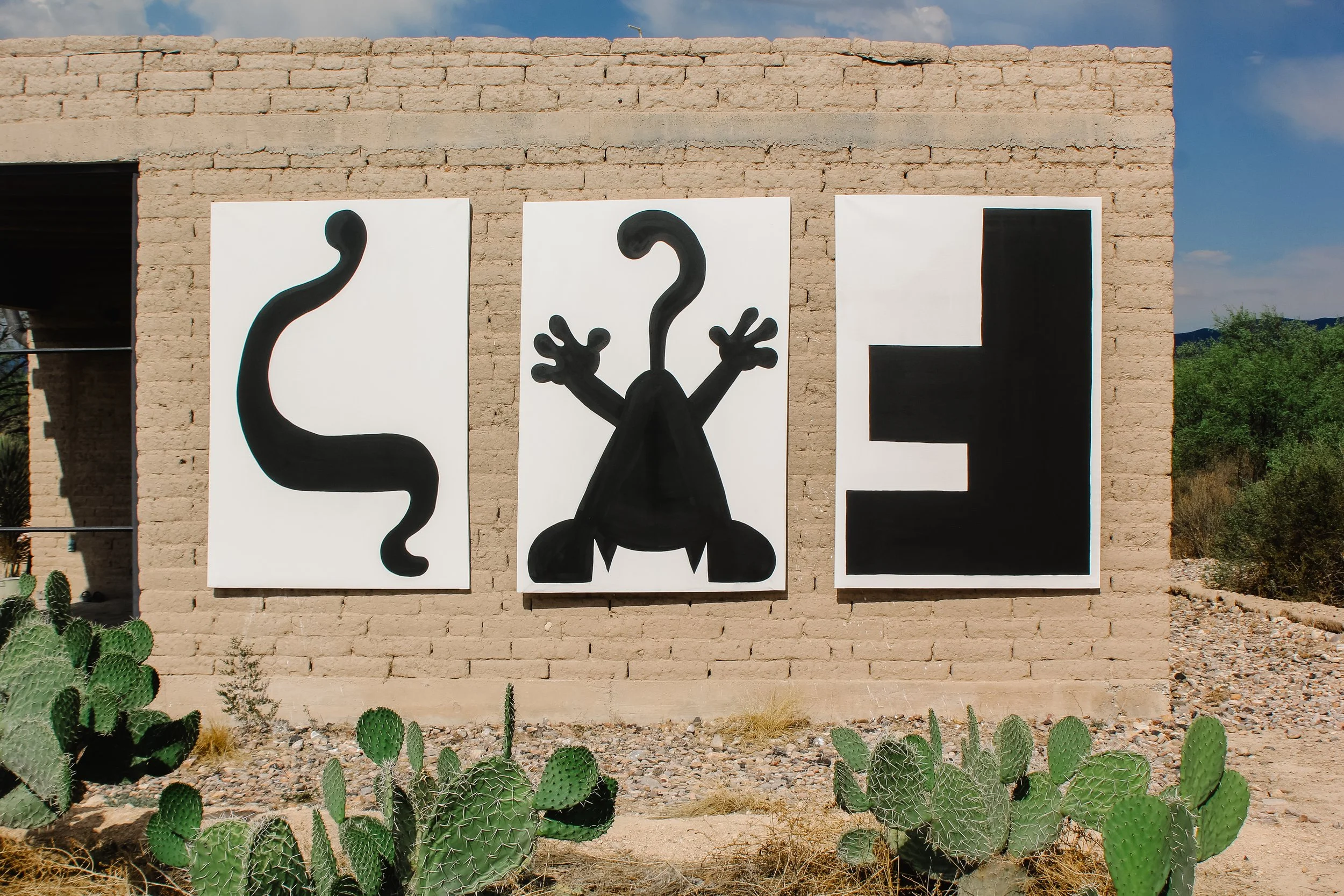
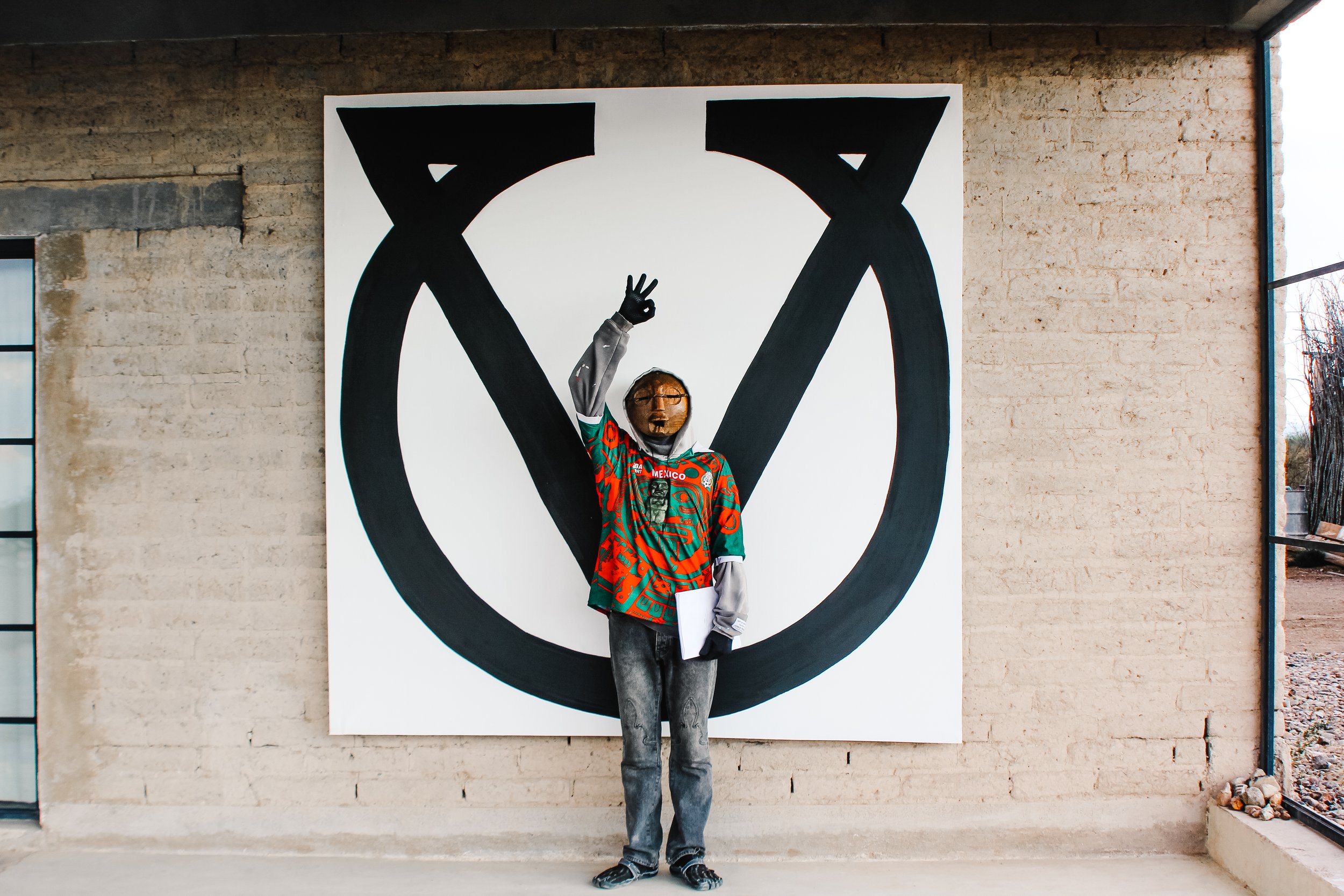
He is an artist without a face or skin, yet marked by a steadfast wooden mask. His work is grounded in a fundamental premise: the concept of Humanity Year Zero: In a present shaped by profound transformations in the social reality of humanity as a historical civilization, driven by advances in genetic modification and the growing integration of artificial intelligence into technological development an artistic proposal emerges that synthesizes, through its expressive language, what has for decades been described as a paradigm shift. The work is thus situated within the context of an evident yet unresolved “civilizational crisis” affecting contemporary global and multicultural society.
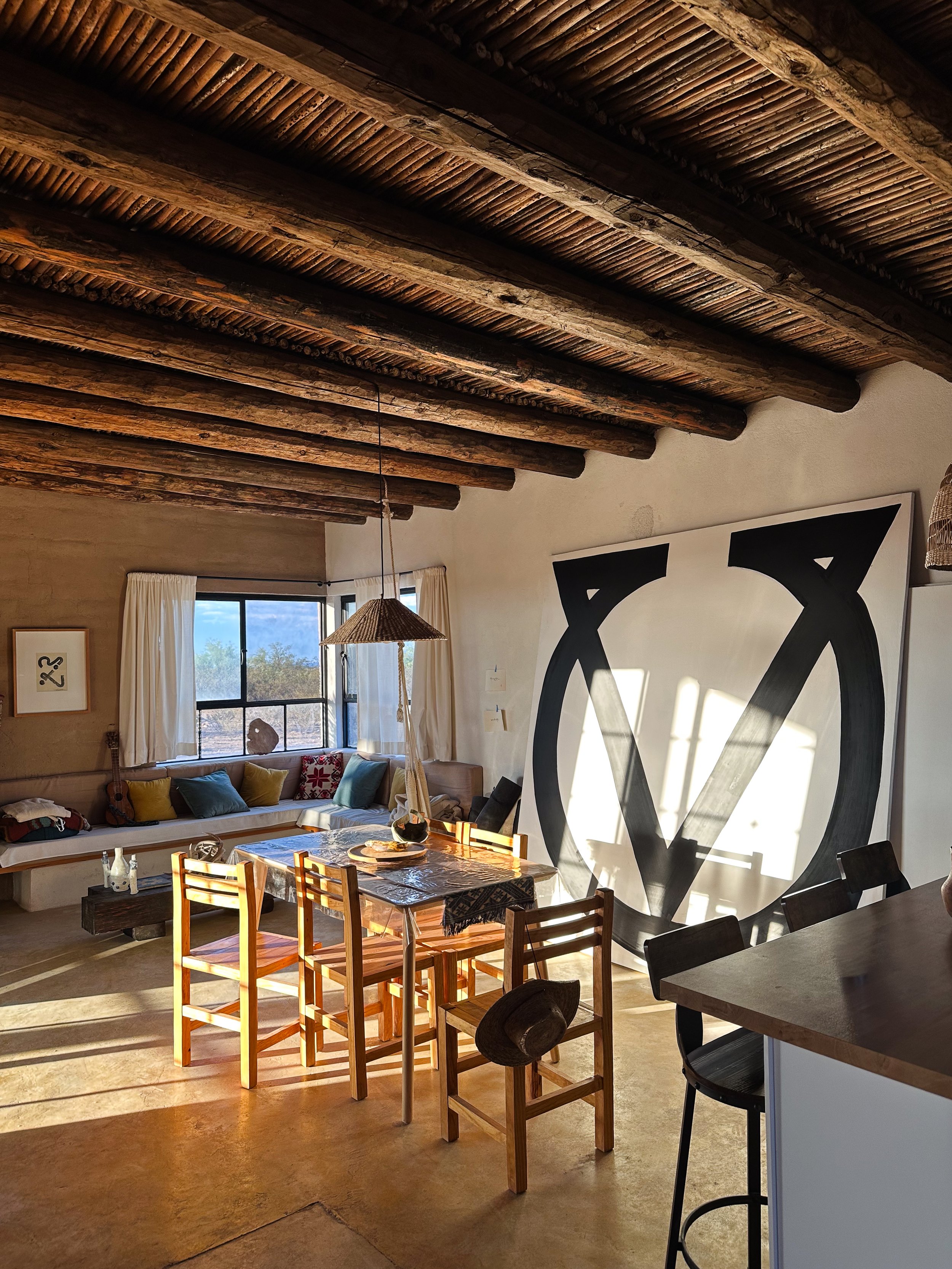
Inversion is the third act of this trilogy embodied as a work of art. Conceptual inversion is what compels us to reassess and turn over the hourglass. It reflects an upside-down world, where what ought to be rejected is embraced, and what should naturally guide and govern us is cast aside. The piece invites reflection on the reversal of values that characterizes our time, urging us to reconsider the principles upon which we build our understanding of humanity and the future.
28 arrives at Casa Tamatsi to continue his journey and activate his conceptual process, ritual, and reflection, where the desert is transformed into an hourglass, a symbol of change and time. His work is based on paintings and the symbols they generate, seeking to offer an opportunity to experience and reflect upon a sense of calm that embraces us, without allowing us to forget the eternal flame that emanates from within. In its search for meaning, the human being, through experience and aesthetic contemplation, is given the opportunity to sow peace in a world that deeply needs it.

Emilio Díaz
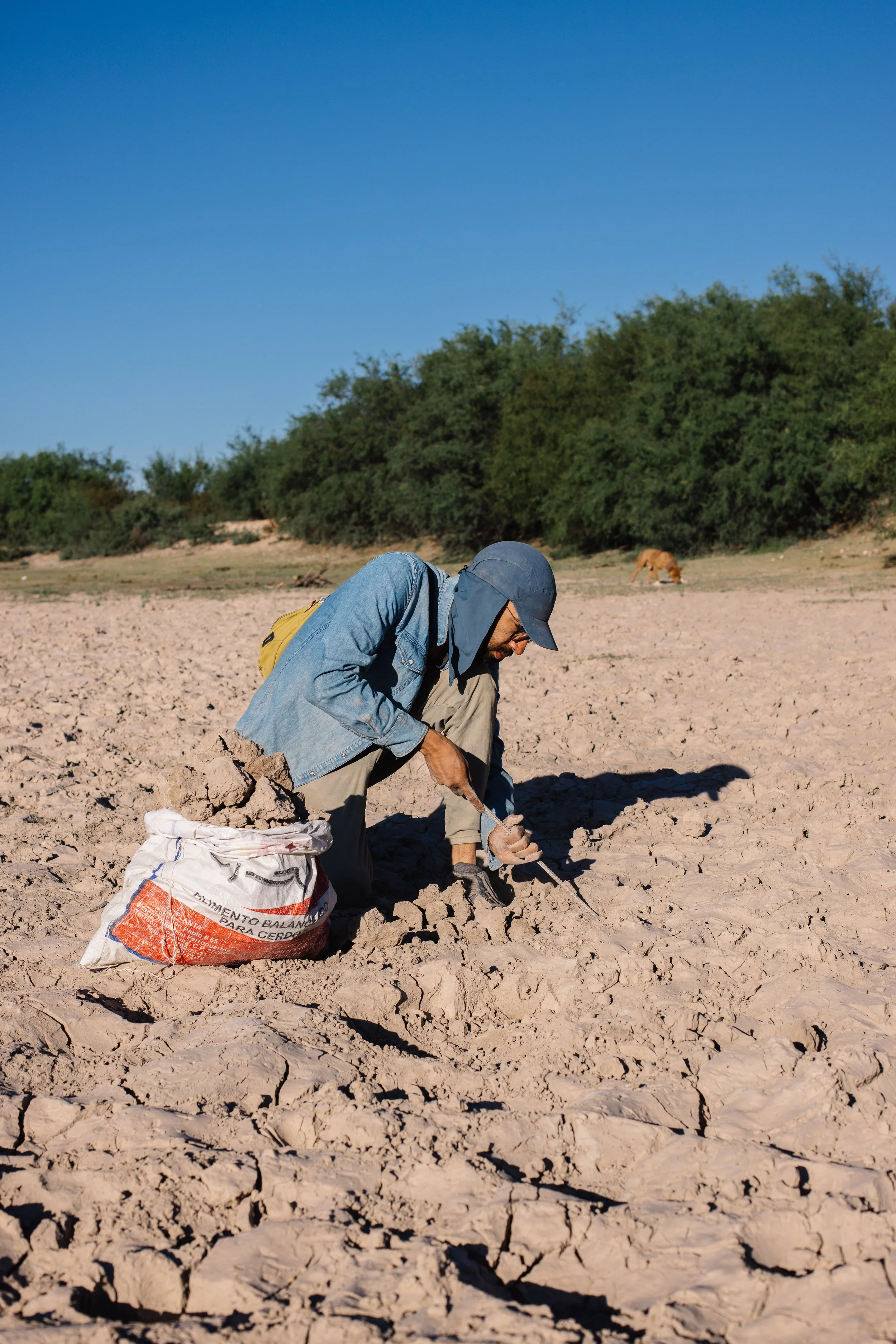
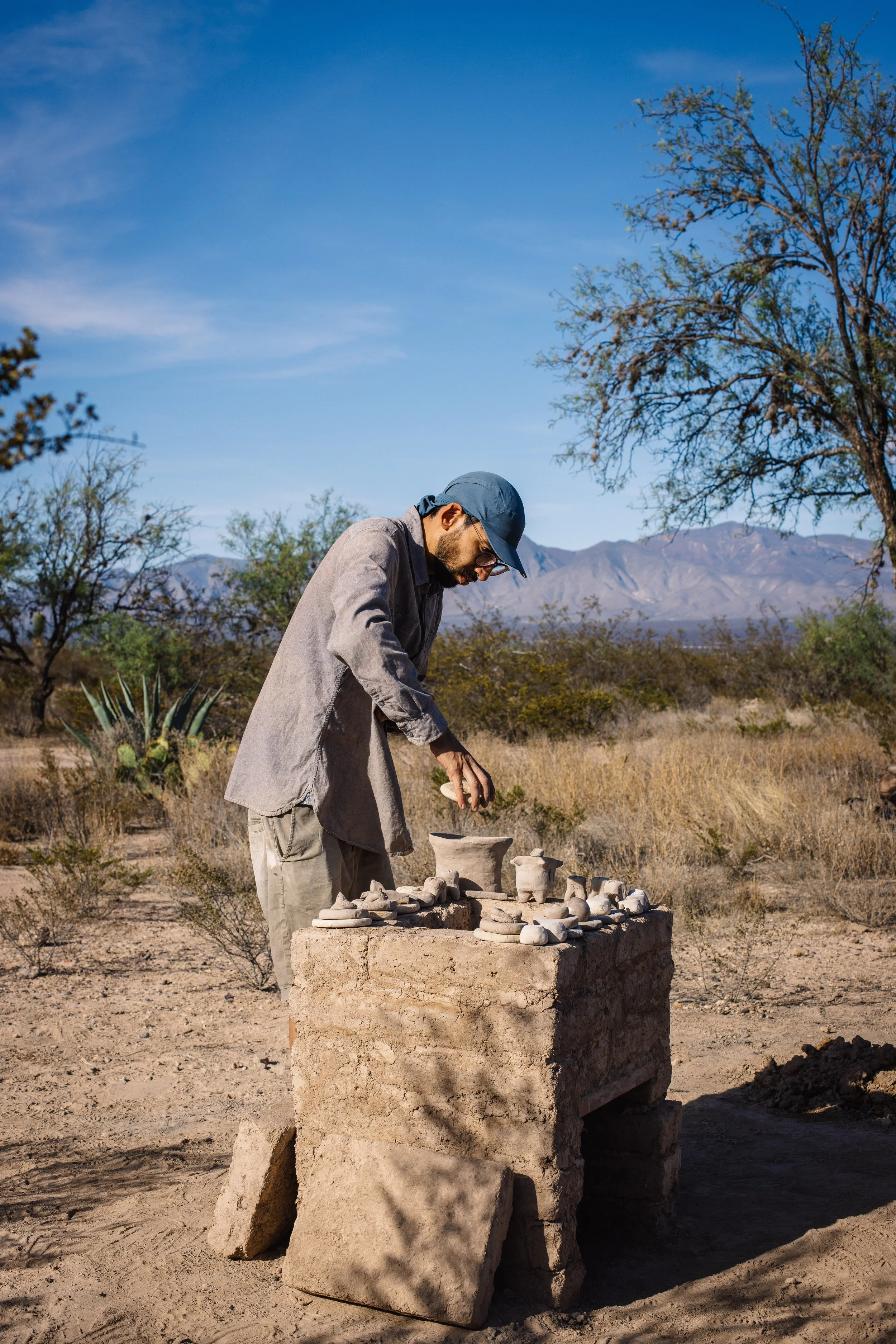
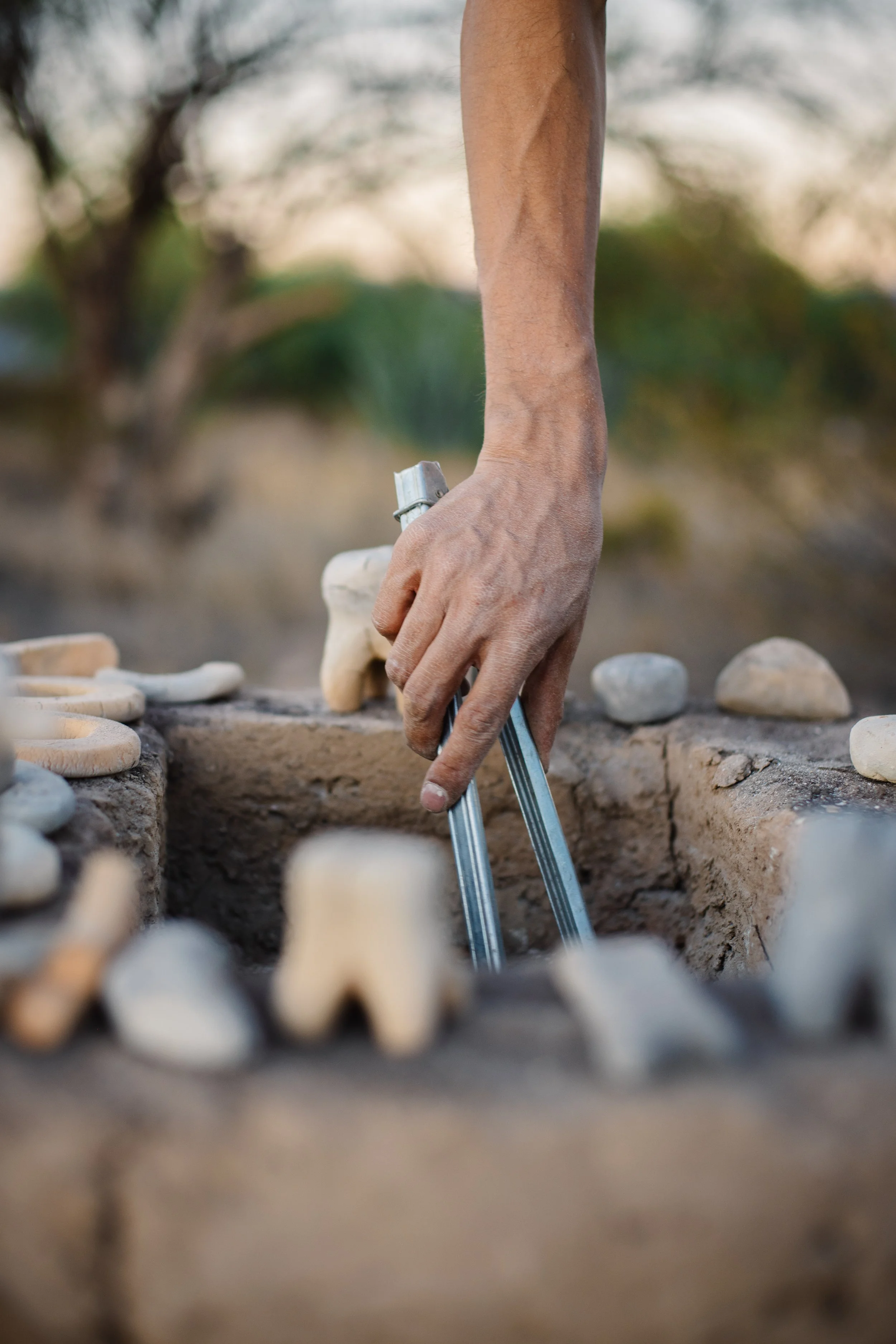
Ceramist at Kong Cerámica and founder of the Taller Kong , originally from Mexico City, arrives at Casa Tamatsi with the aim of researching the soil of the Wirikuta desert and developing a clay body that can be worked and fired using traditional methods in a wood-fired kiln, using local natural resources. As a result of this process, he seeks to generate knowledge that can be shared and used by future generations of residents interested in working with this material.
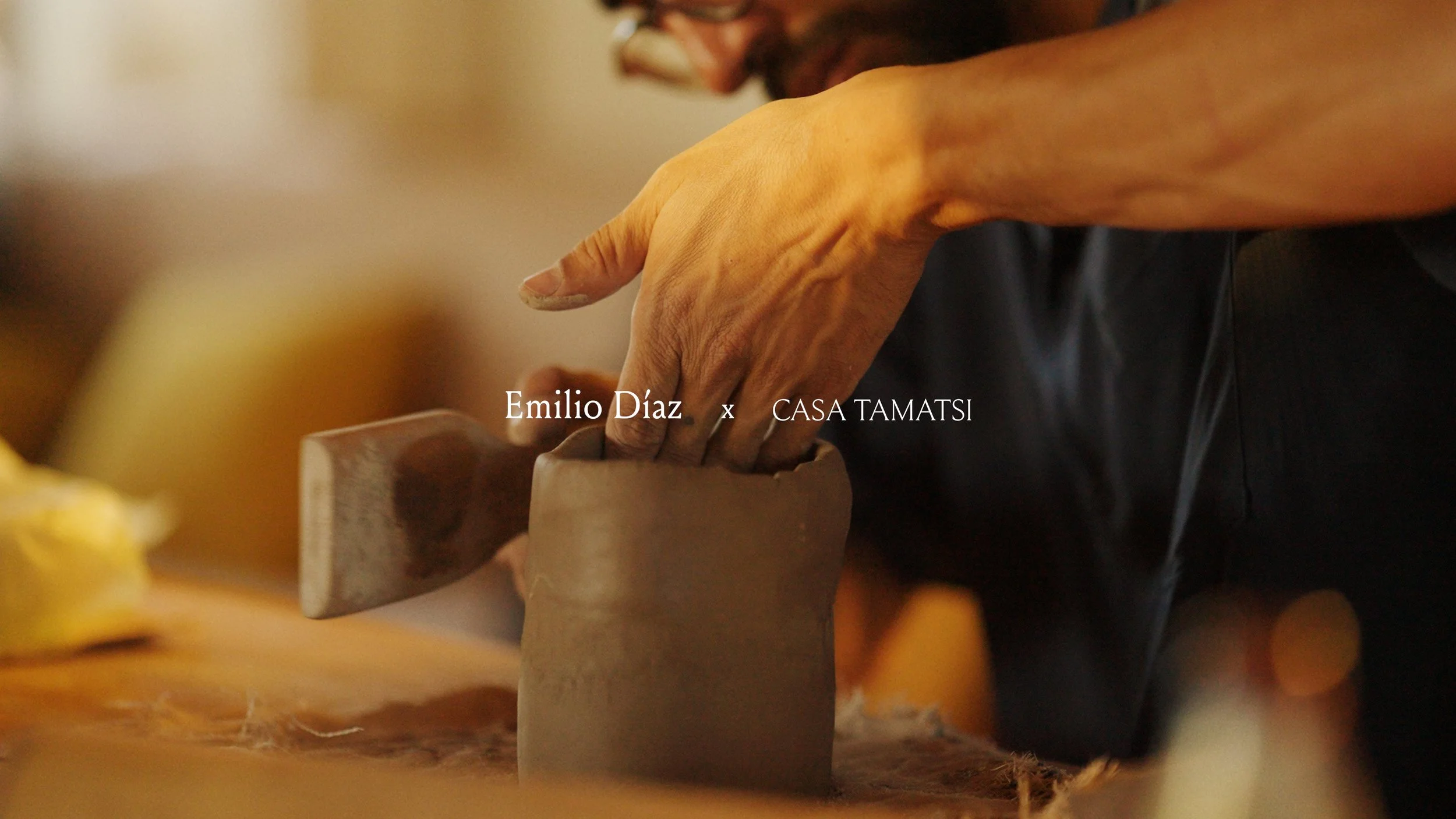
“It is very difficult to put into words the experience I lived at Casa Tamatsi and in the desert. I take with me not only research and a practical methodology around local clays and earth, but also profound life lessons, a process of self-discovery, and a reconnection with myself. The power of the desert’s silence is something I will never forget.”
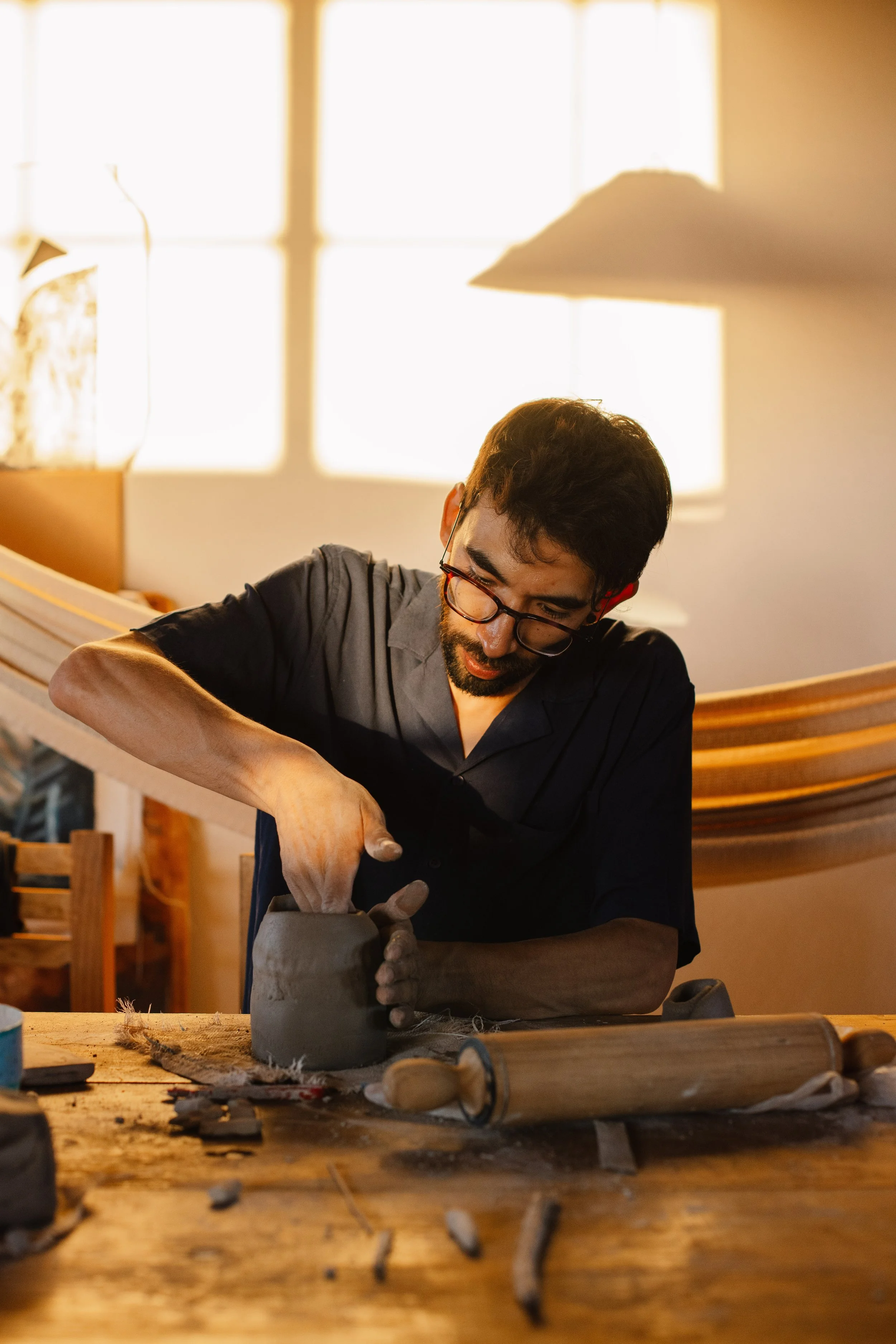
His exploration was based on the recognition of the territory and the search for local clays, as well as on the development and study of their compositions through experimentation with different mixtures and proportions. From this, he produced test samples to evaluate their plasticity, strength, shrinkage, and behavior during drying and firing. In parallel, he built a wood-fired kiln adapted to the available resources, which allowed him to investigate firing curves, temperatures, and atmospheres characteristic of this type of firing.
Giulia Giacomini
An artist whose practice explores ritual as a living structure through performance, installation, and sound. Her work investigates listening, perception, and states of expanded attention.
Through her performative and installation based project Desert Oracles, the artist sought to create experiences that suspend interpretation and open a space between the preverbal, the sensory, and lived experience.
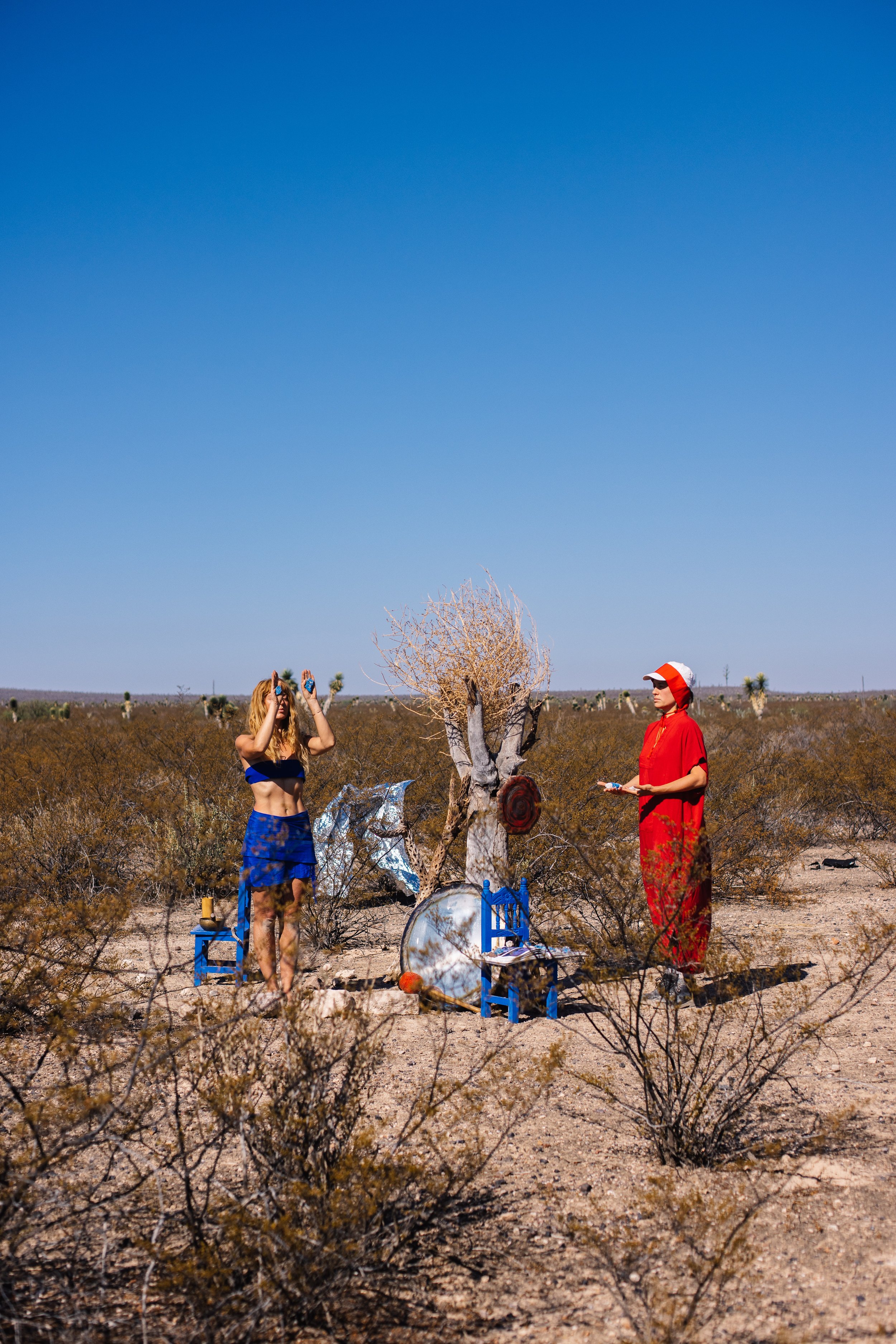
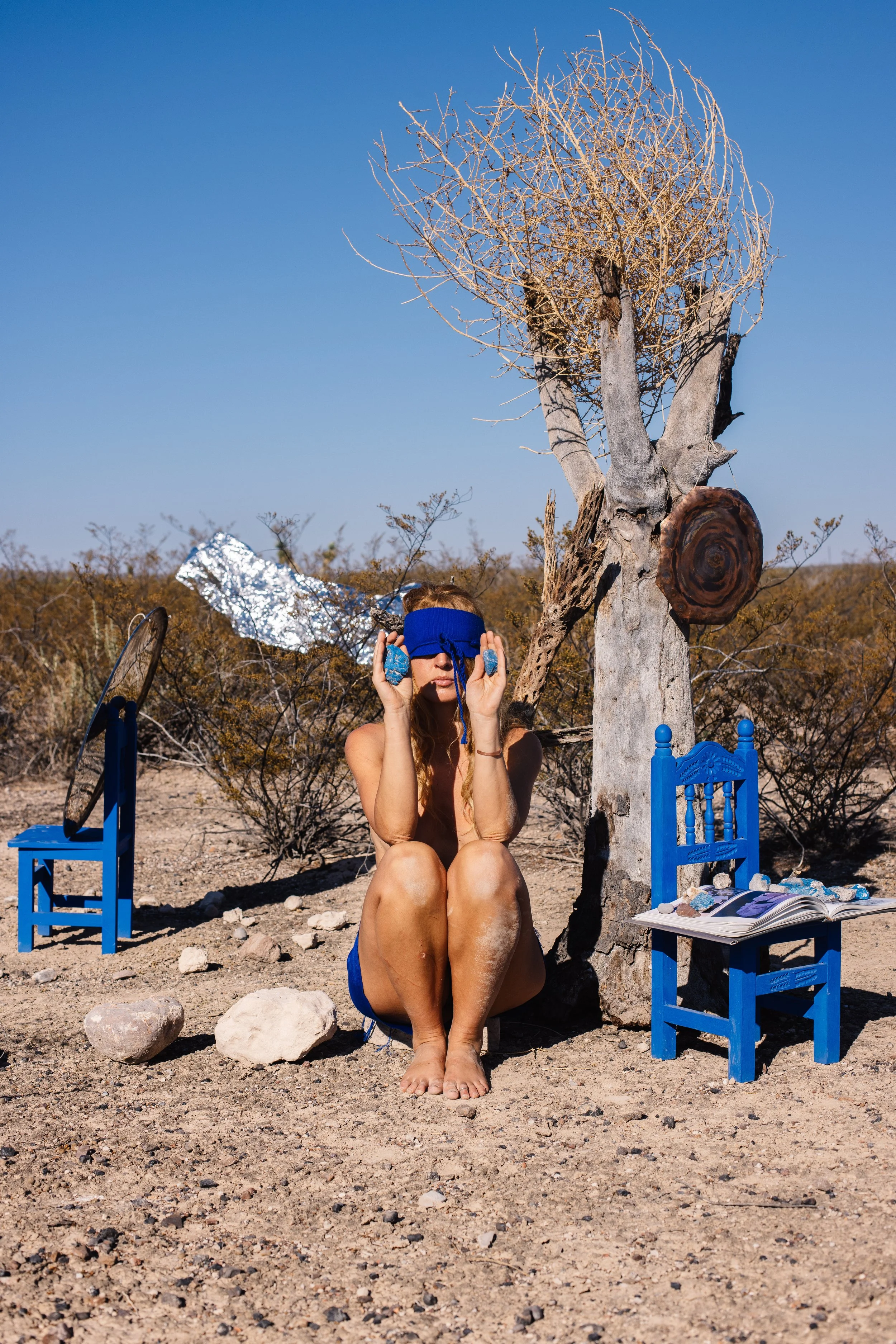
With the project Desert Oracles, the artist developed her residency as an artistic process that combined ephemeral installation, sound activation, and performance. The project unfolded through provisional constellations of found objects, gestures, and symbols, assembled and integrated into the landscape, approaching the desert as an operative field of sensory reduction, temporal suspension, and expanded attention.
Sound, particularly through the use of a gong, functioned as an activating element, marking transitions and modulating the experience of space. The project materialized in audiovisual pieces, photographs, object archives, and a final performance in the desert.
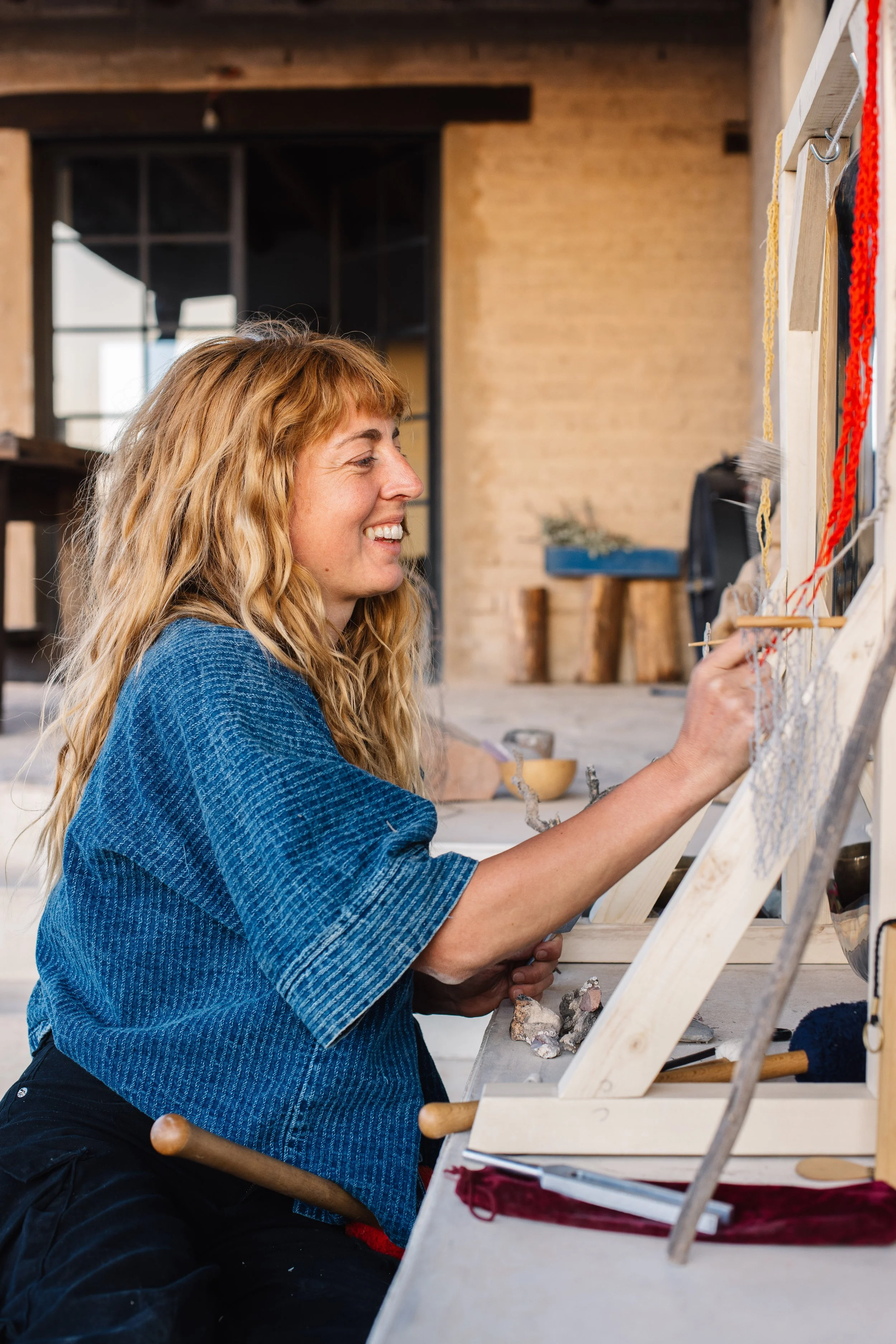

Lucie Schroeder
A transdisciplinary artist working from relational and somatic approaches, inspired by ancestral, crip, decolonial, and queer feminist knowledges. Her practice challenges the notion of scientific objectivity and proposes subjective, embodied forms of knowledge.
Through performance, sound, workshops, and objects, she explores the relationships between humans, plants, animals, and territory.
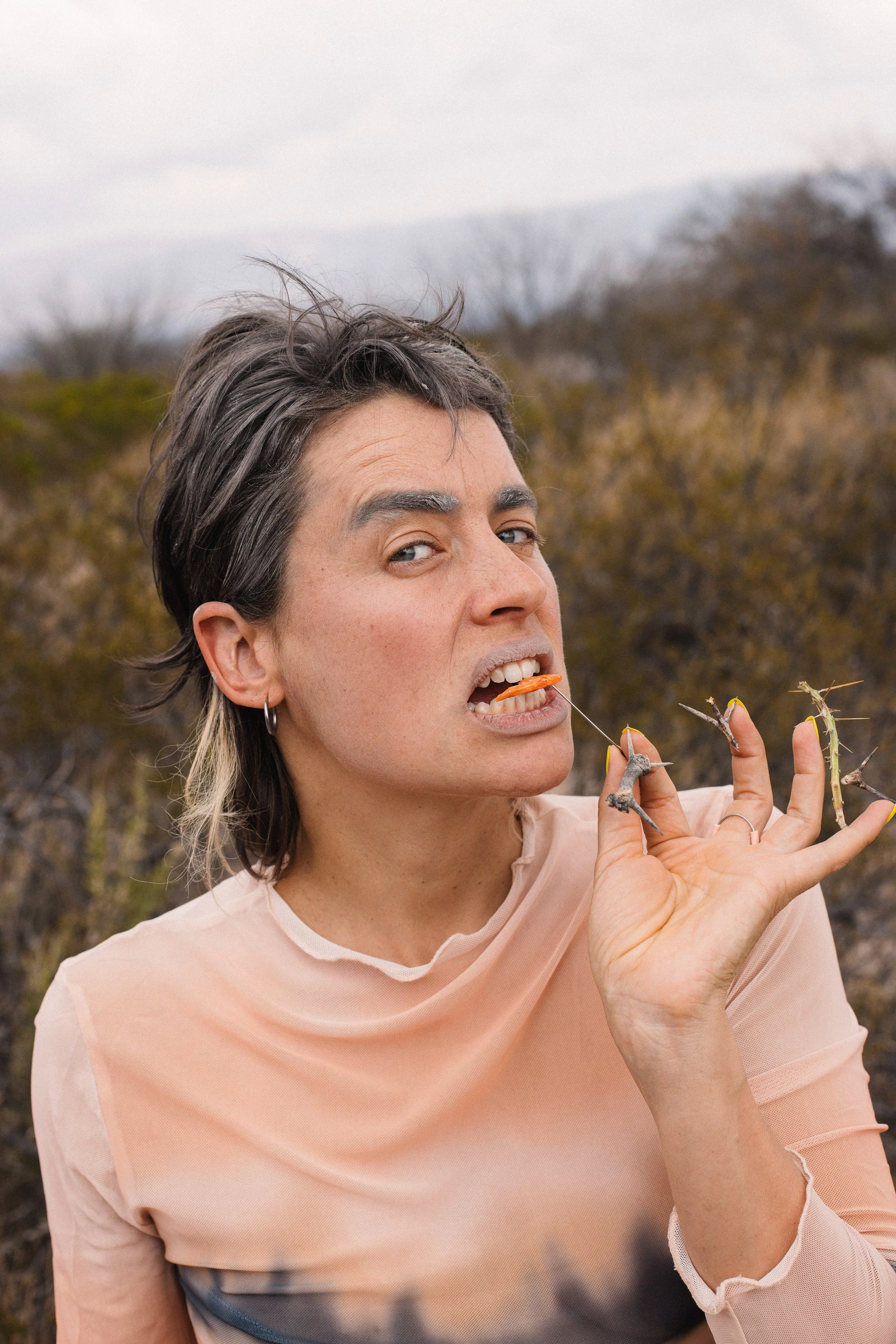
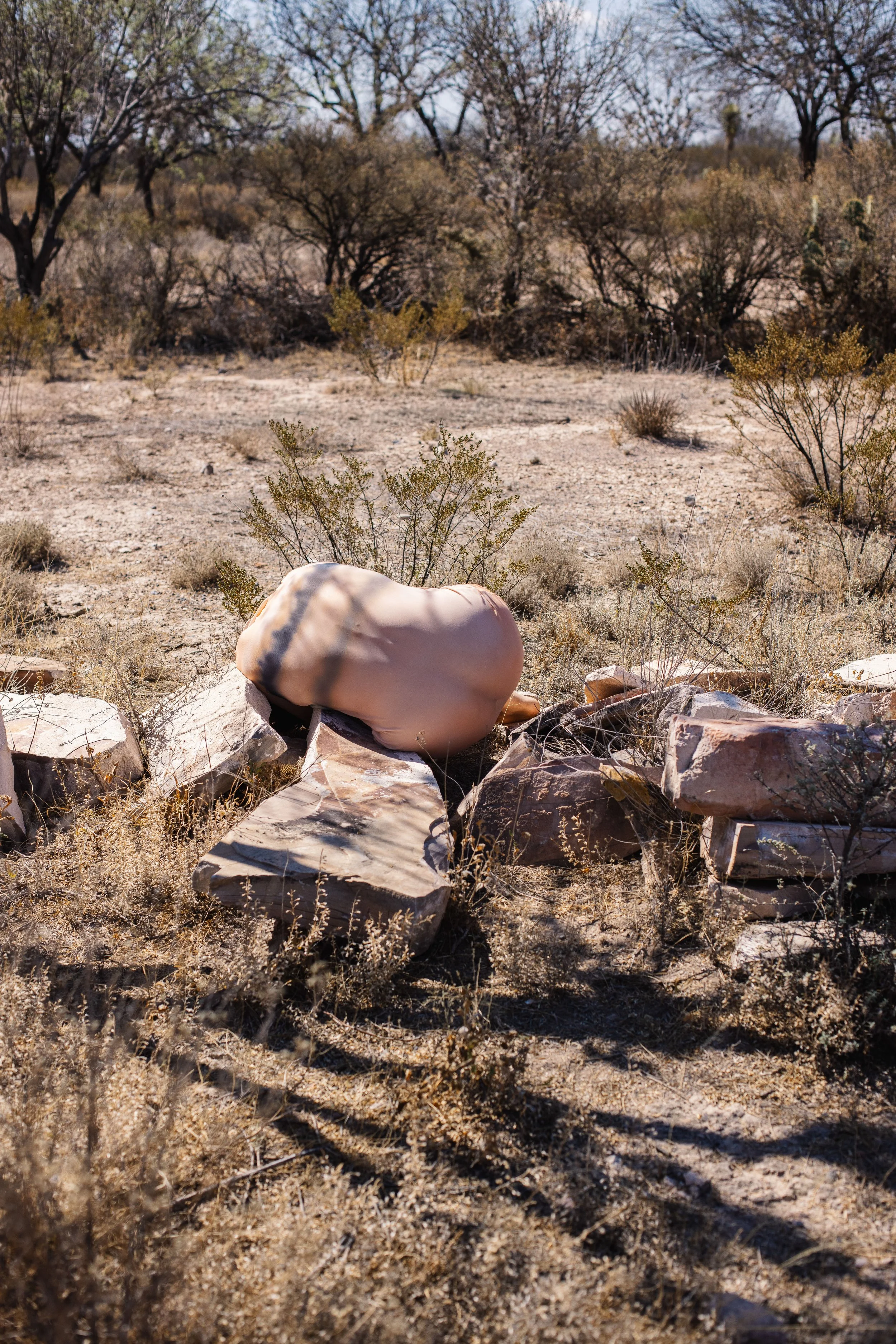
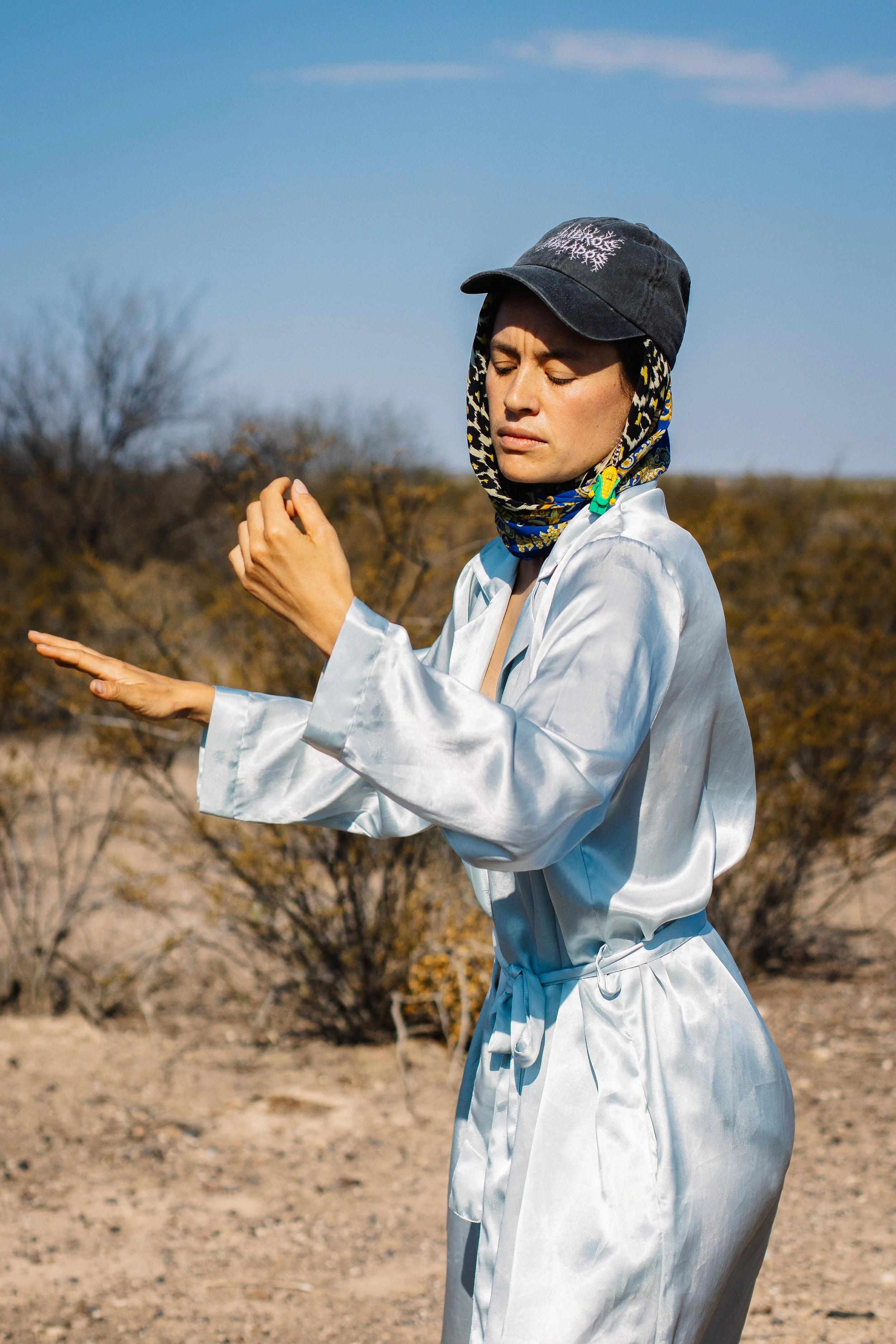
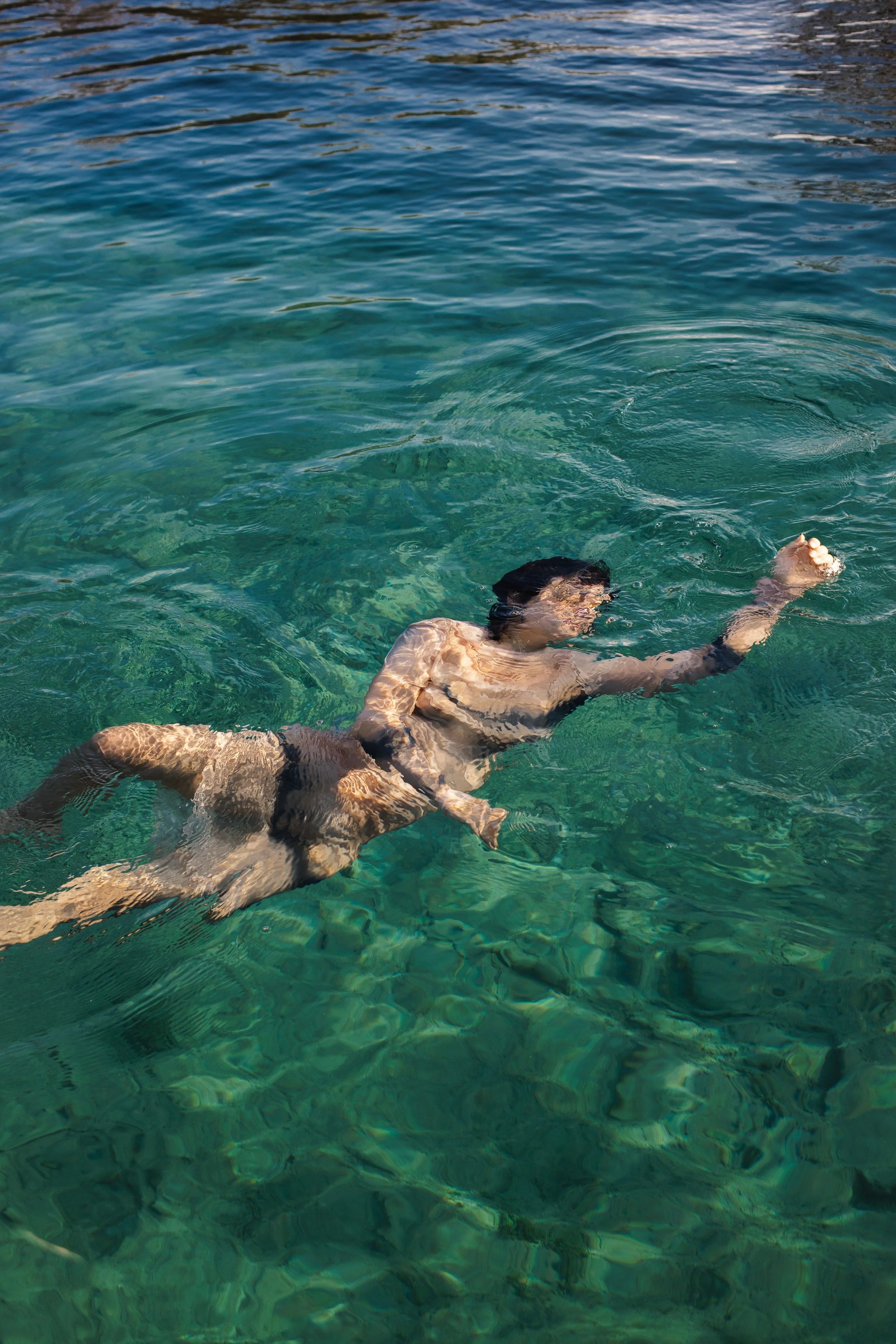
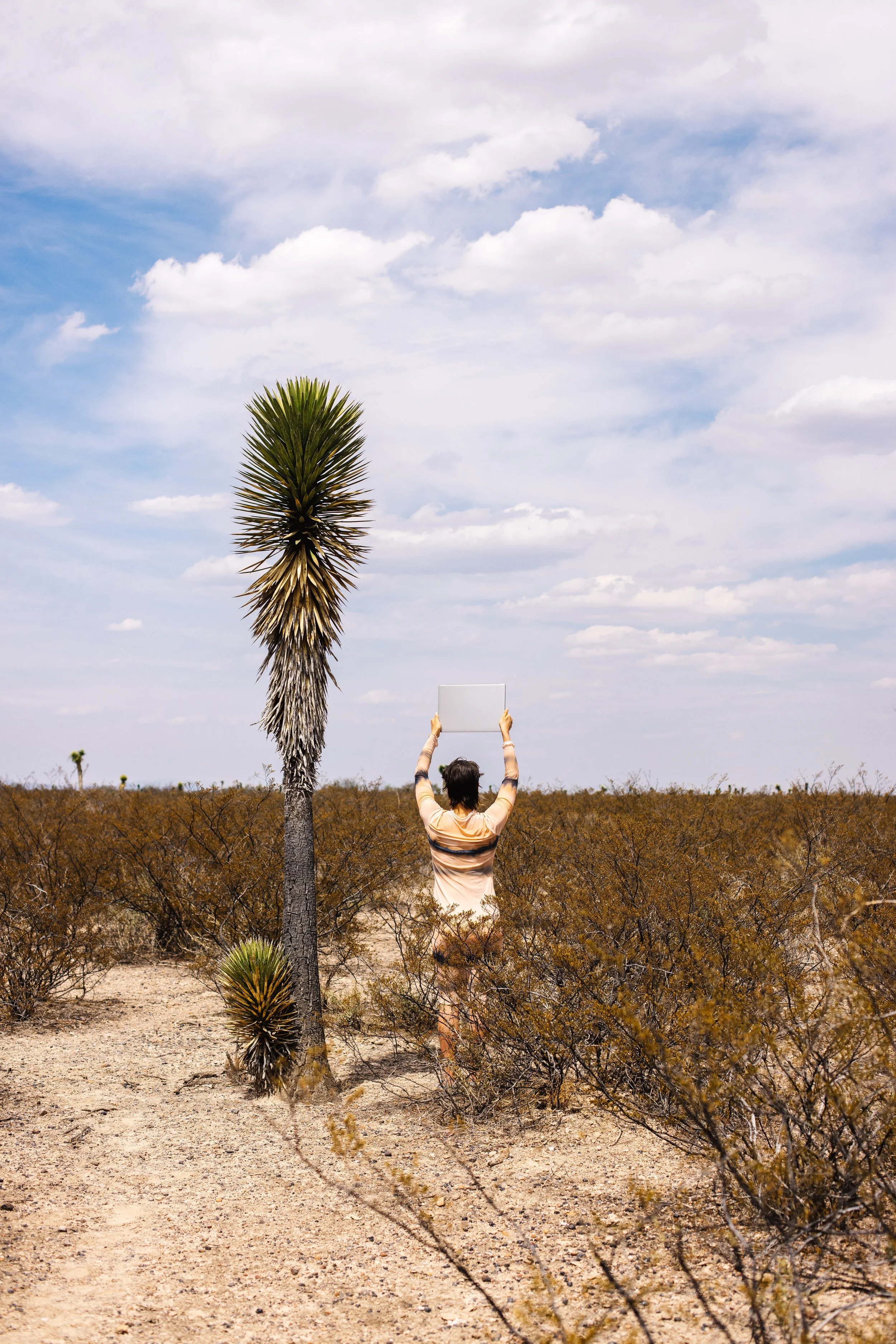
During her residency at Casa Tamatsi, the artist explored the relationship between body, territory, and memory, connecting humid and desert landscapes through sensory experience and artistic practice.
In her process, she integrated writing and performance, developing gestures and objects from natural materials and traditional knowledge. Through observation, movement, and deep listening to the Wirikuta desert, she deepened an inquiry that intertwines art, healing, and perception.
Moncaya
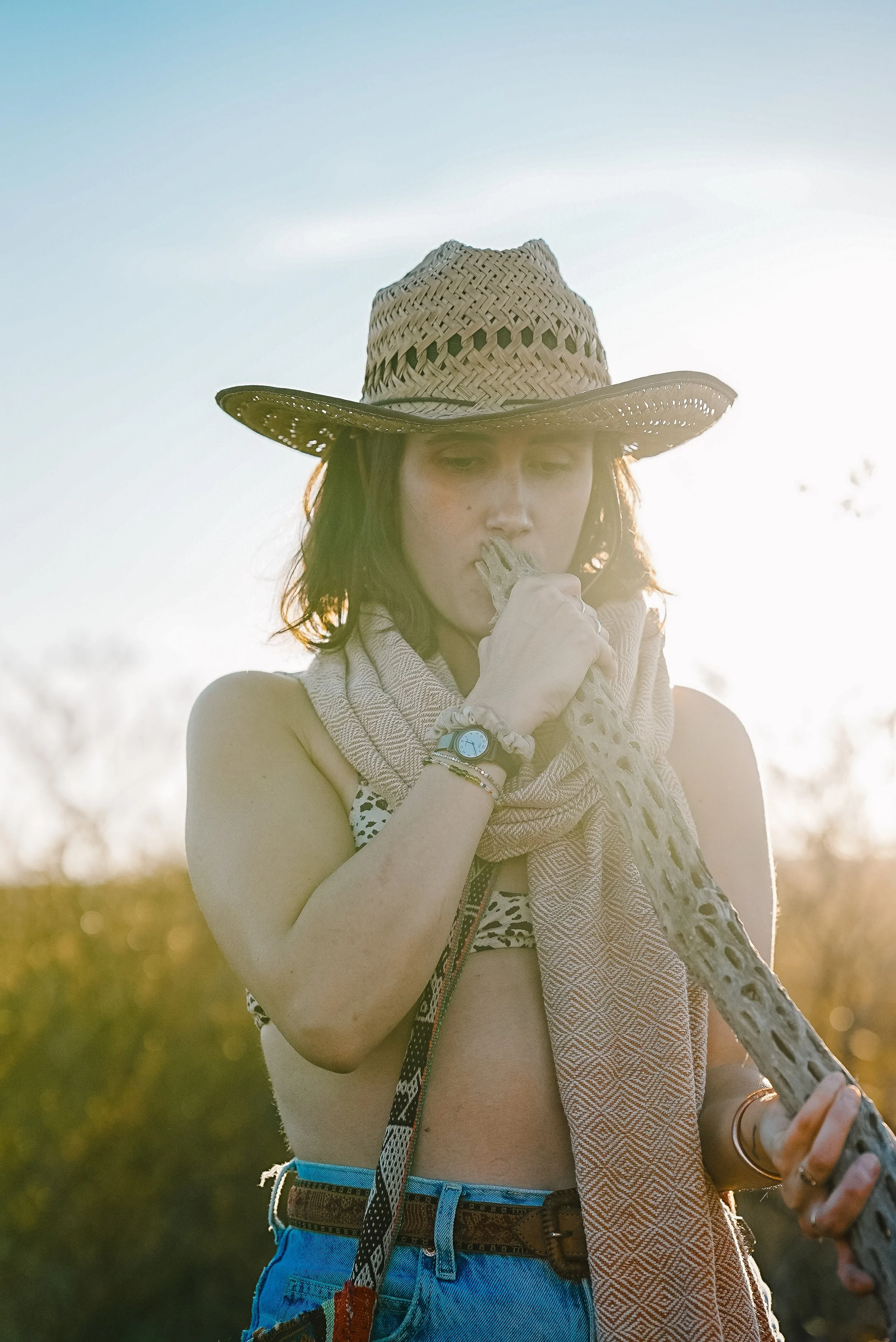
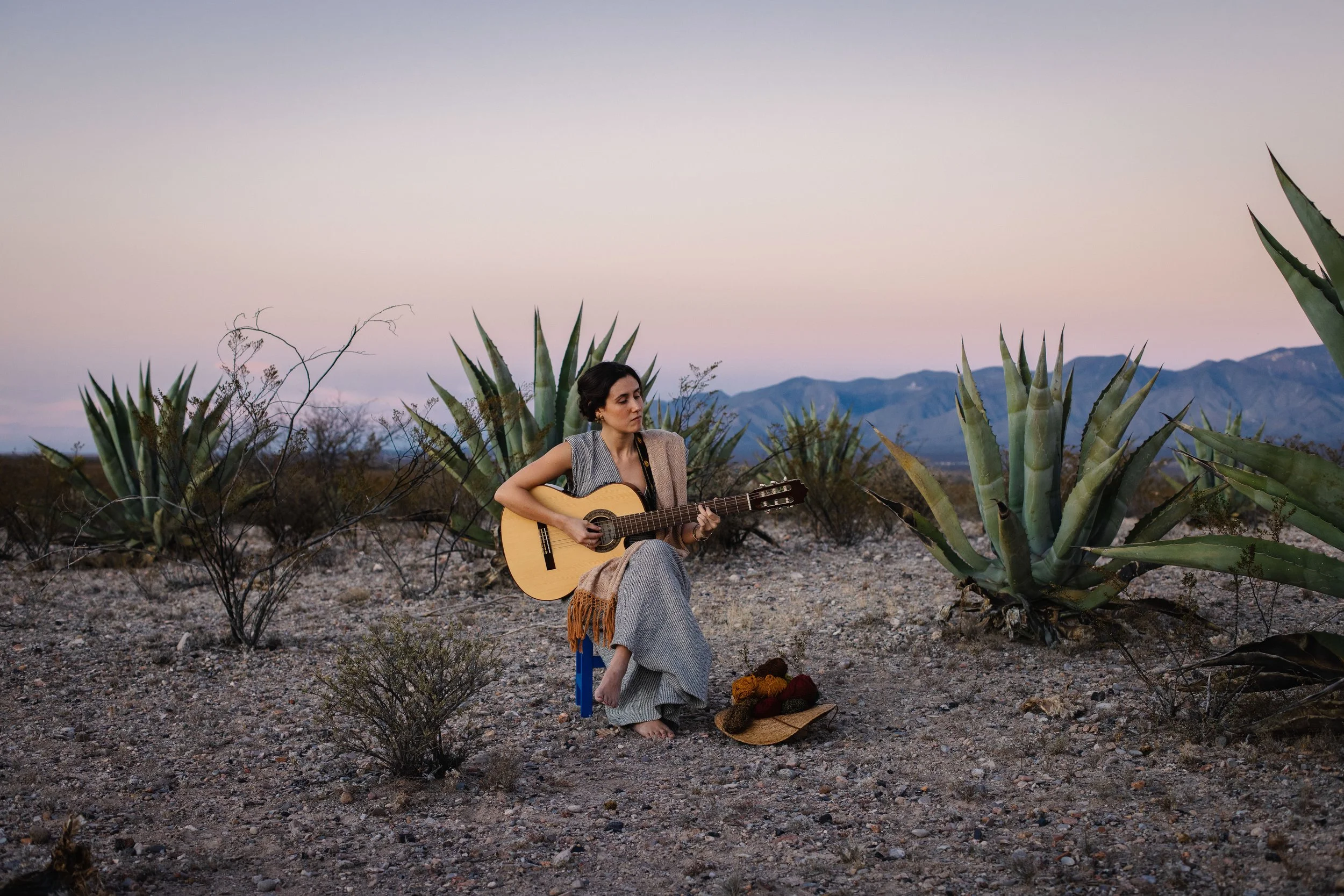
Born in Madrid and based in Mexico, she is an artist who discovers herself through her music. In this process, she journeys into the depths of being to find a personal sound—one that quiets noise and refines the soul.
Her process at Casa Tamatsi was rooted in listening and creating from the music of the Wirikuta desert—its fauna, flora, and people. From this exploration, she processed found sounds to create pads, percussion, and beats, which she used to compose new melodies. From this body of work emerged songs such as “Canícula” and “Agni Gayatri,” pieces that seek to connect listeners with the symphony of the desert, reinterpreted through processed sound and Moncaya’s sensitivity within the natural environment.
“Casa Tamatsi is a profound encounter with the vastness of the desert. A space that honors both the outer and inner realms with a coherence that is rare to find.”
“I arrived without expectations. I left as a new person, with five new songs, a renewed reserve of inspiration, many answers and new questions, and with new memories that will be hard to erase.”
Mariana Wheelock
Creator, cultural manager, and researcher from Saltillo, Coahuila. She came to Casa Tamatsi to work on her project Arodoamaeicana, a project centered on exploring and understanding the identity of northern Mexico. It takes shape as an audiovisual proposal that documents a personal process of rediscovering one’s place of origin, beyond the stereotypes and prejudices that have defined the region.
It is an exploration aimed at recognizing the symbols, traditions, and histories that shape its culture and narrative—identifying them, sharing them, and understanding how we integrate them into everyday life in order to gain greater clarity about who we are and to reclaim our history with pride.
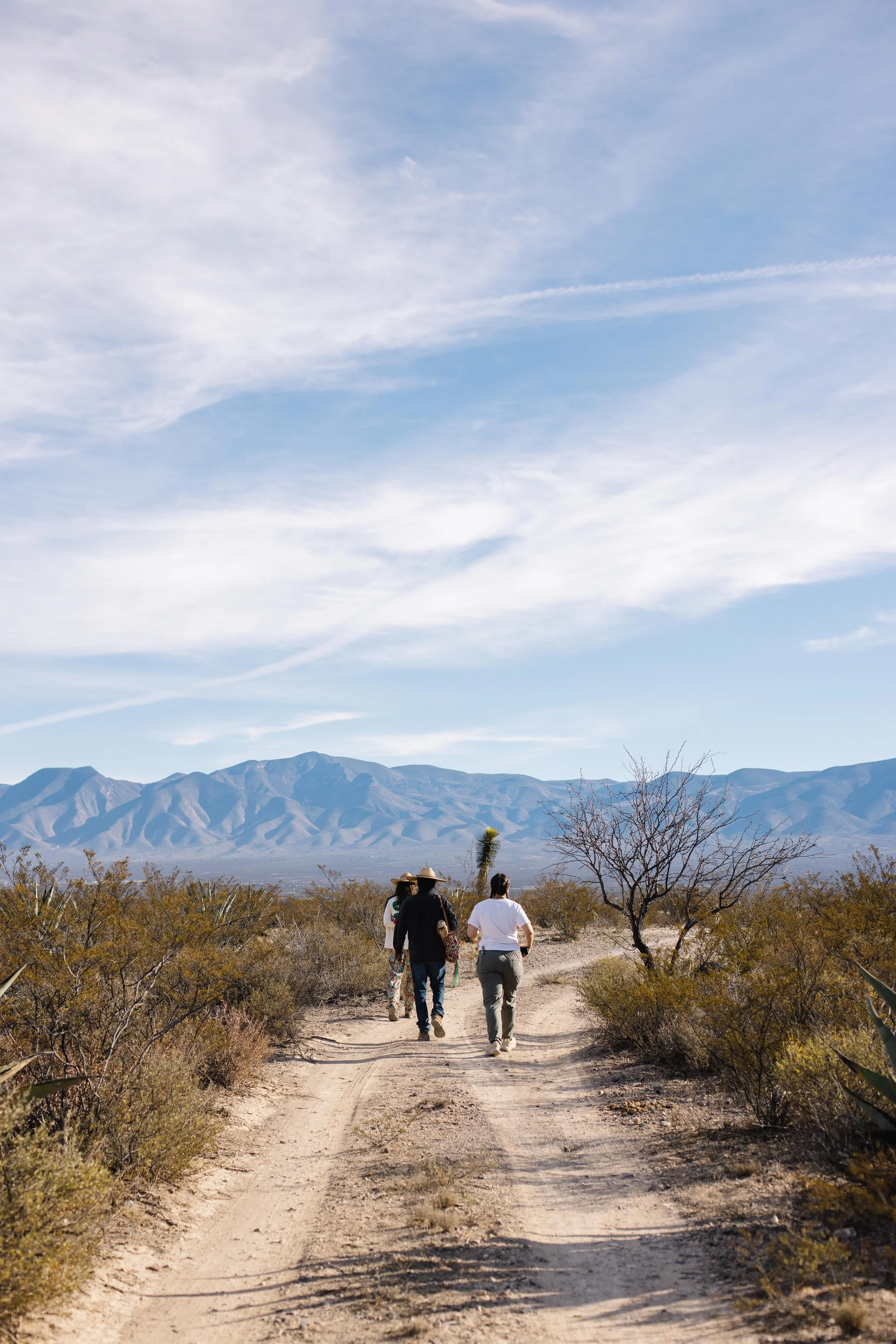
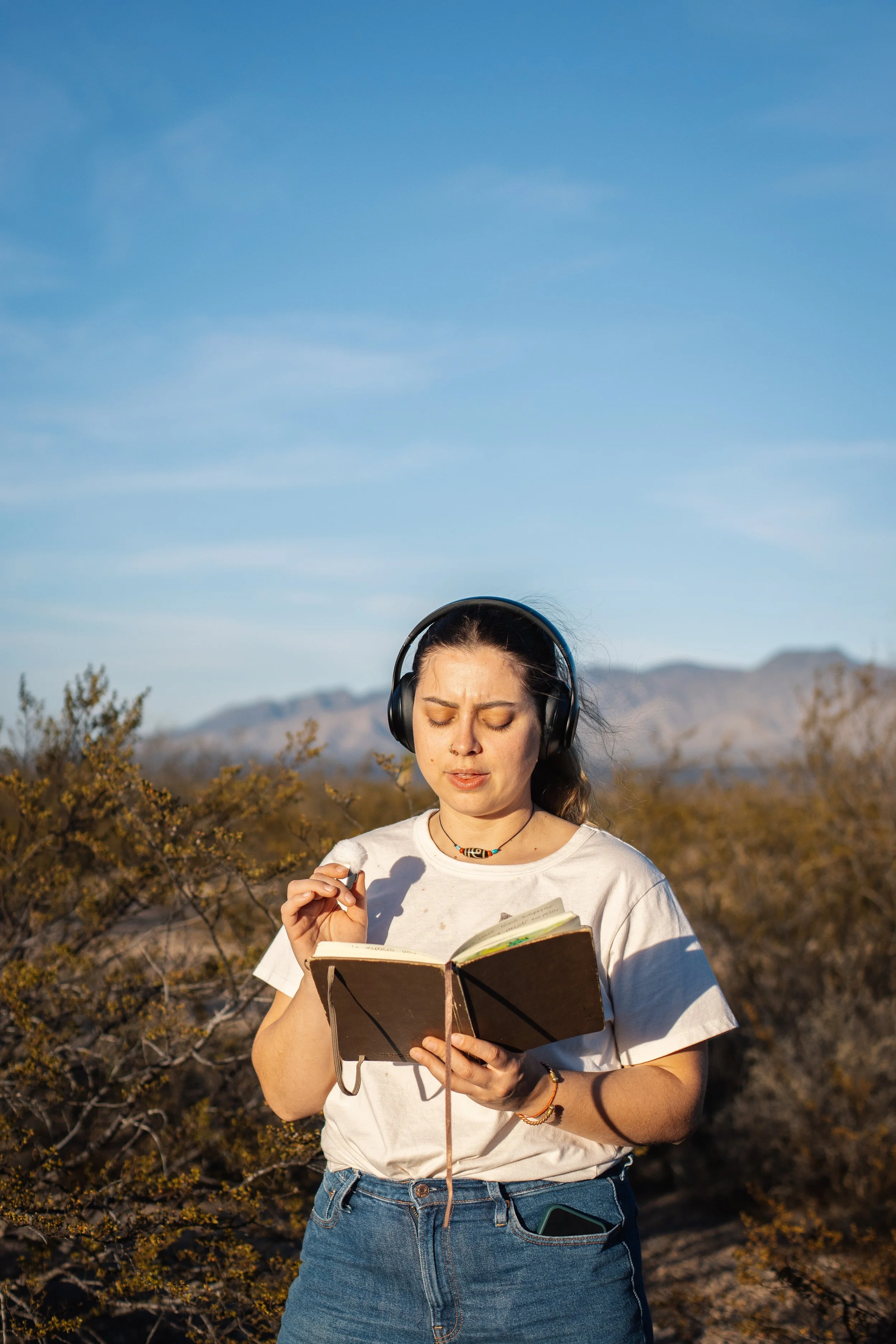
“My experience at Casa Tamatsi was a turning point. There, I found the time, silence, and support needed to engage deeply with my creative process. The shared conversations, everyday exchanges, and the presence of those of us who coincided in that space became a form of learning that went beyond the project itself.
The desert allowed me to refine my listening, follow my intuition, and clearly recognize what my project was asking for. I left with greater certainty, with a path still to walk, and with a deeper understanding of how to weave my creative process into daily life. I am deeply grateful for the care, sensitivity, and support of Casa Tamatsi.”
Carmen Triana
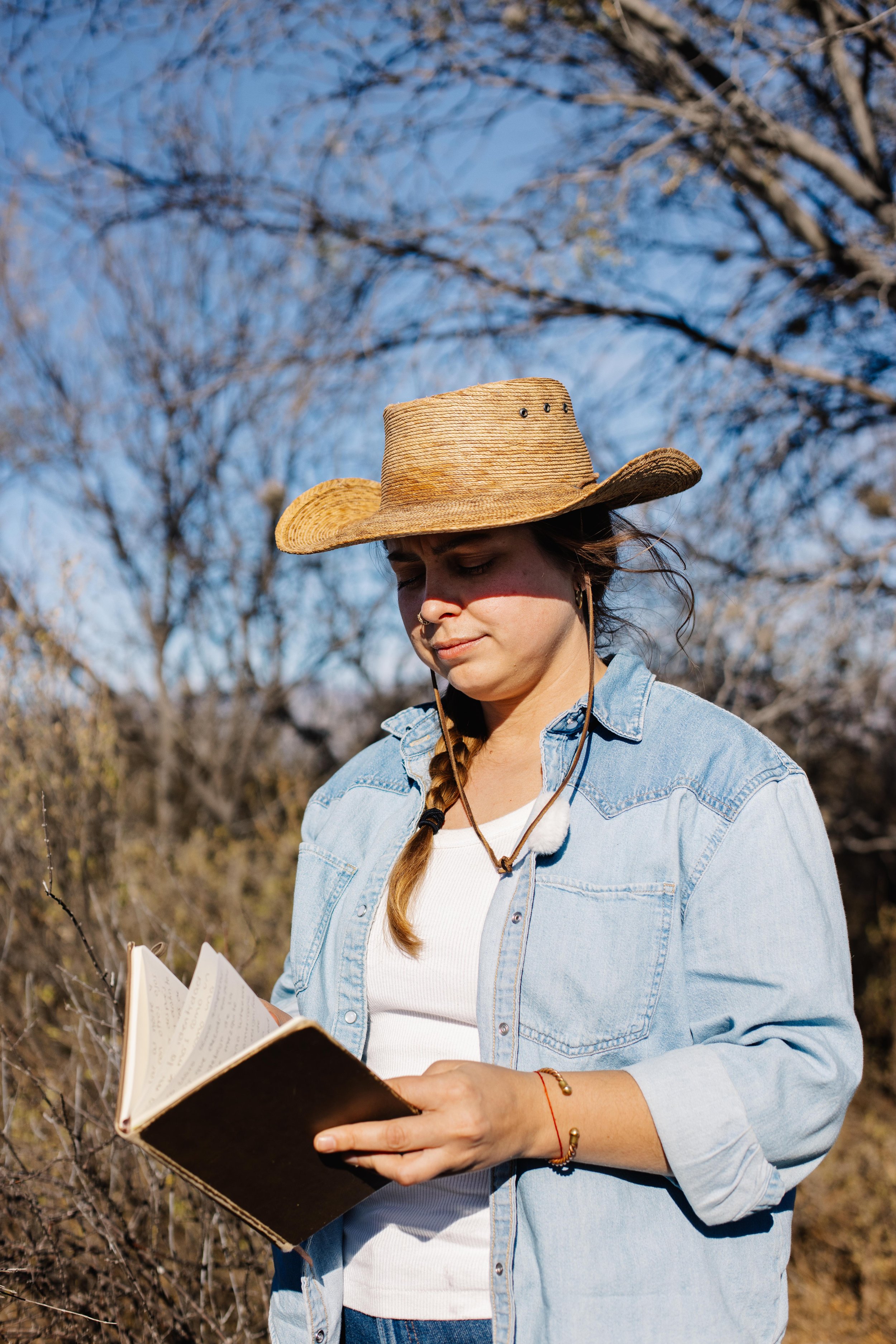
Colombian photographer and director. Her practice moves between the worlds of advertising, editorial, lifestyle, and personal projects, working between Bogotá and Berlin. Recognized for capturing emotion and presence, her work builds bridges between narrative and visual poetry.
“The desert called me to transform grief. This residency was transformative and therapeutic. I didn’t have a clear goal; now I feel it was an initiation. There was no destination—the journey itself was the work.”
“It was two intense weeks. I’m still digesting and processing what I experienced. A magical, challenging, and profound experience. I’m grateful to the desert and to Casa Tamatsi for this time that continues to expand within me.”
The Shape of the Return
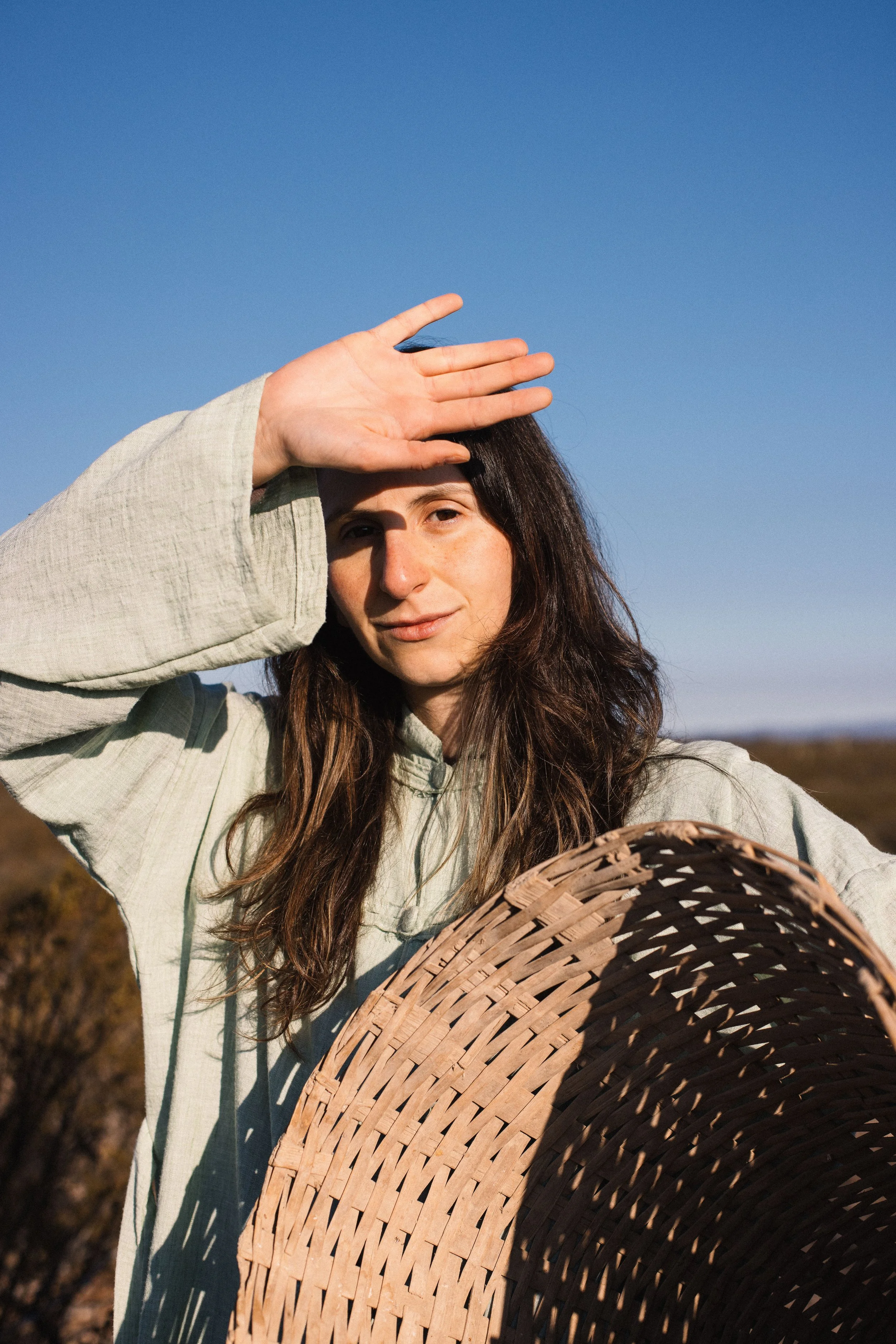
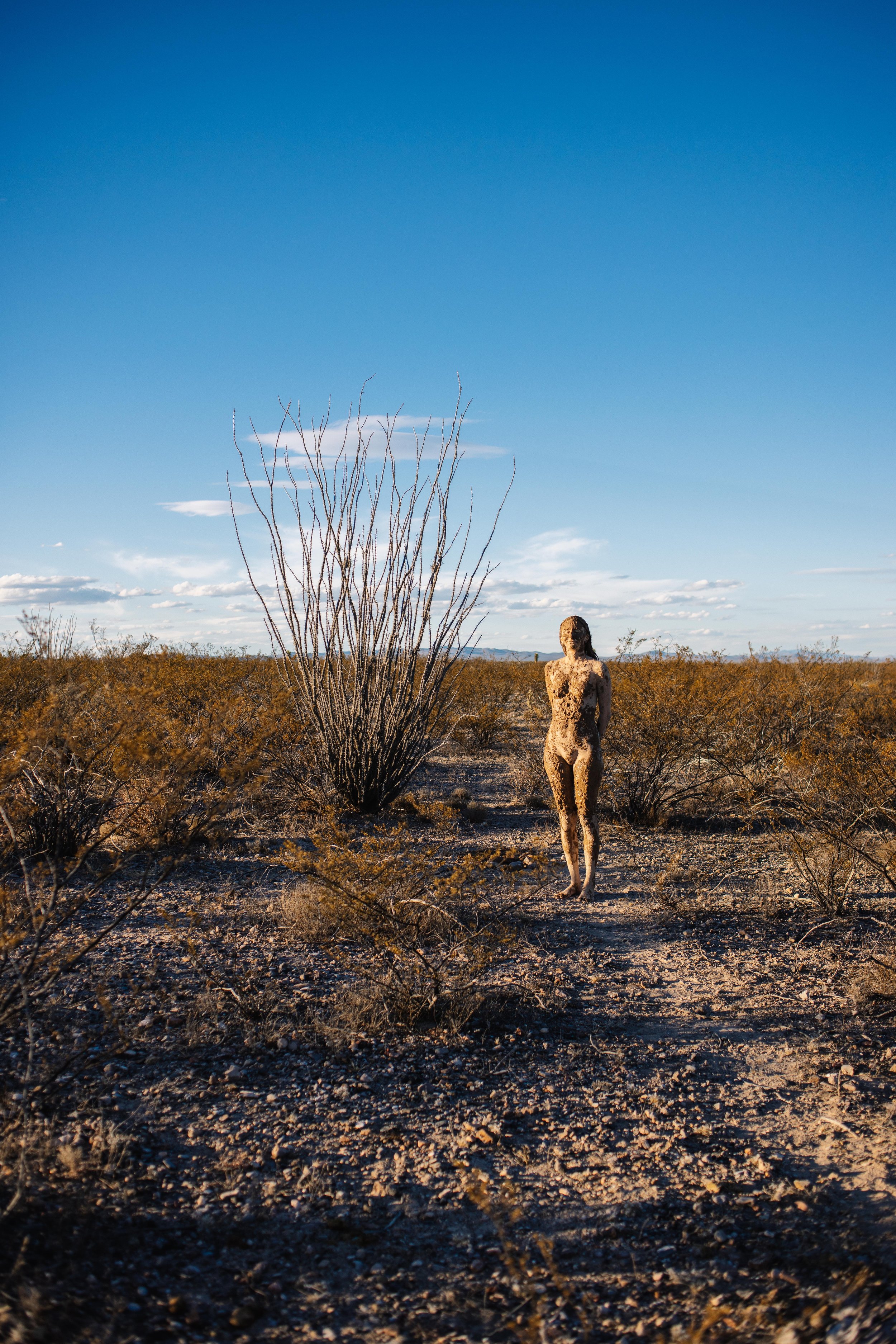
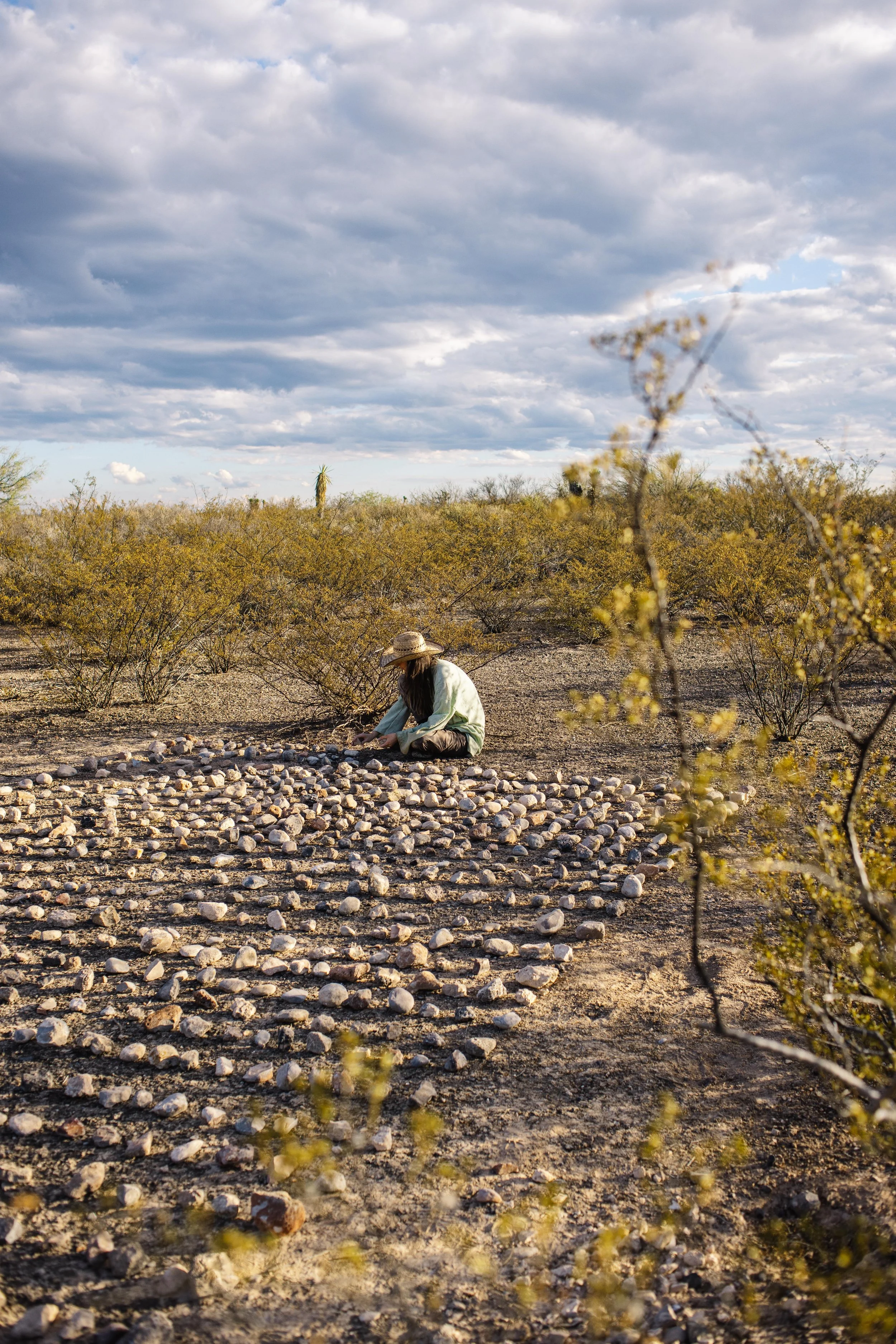
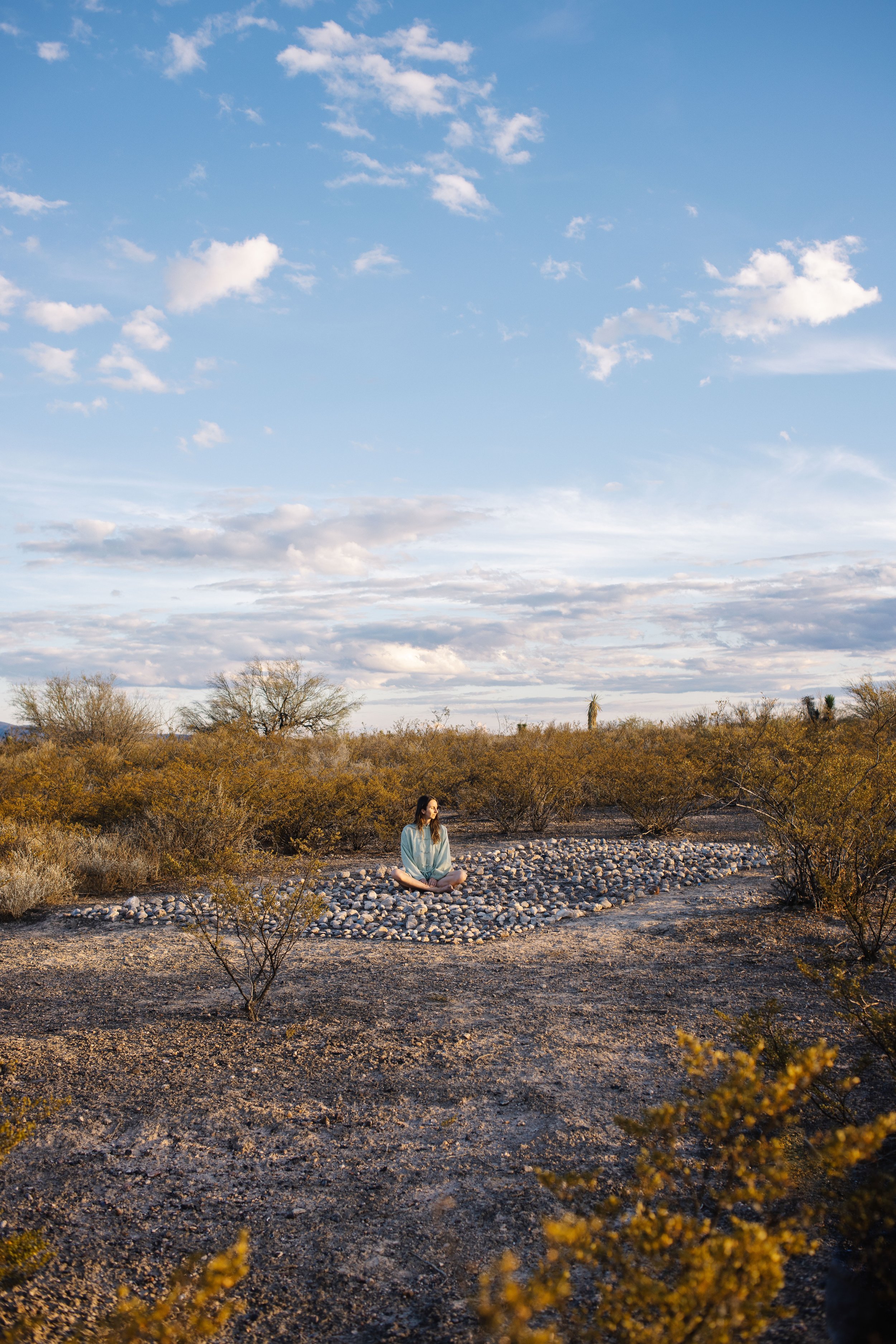
An audiovisual and performative inquiry into how one returns to oneself after being lost. This project emerged as an initiation, a passage between two states of myself. I arrived in the desert after a rupture, feeling that something in my body had come undone. The Shape of Return became the space where that loss turned into a portal.
Through simple actions—counting stones, covering myself in mud, walking with my eyes closed, sweeping ashes—I began to cross that threshold. Nothing was still, and neither was I. There was something in constant motion: in the earth, in the air, in my breath.
This project does not document a love story; it traces the moment when one form dissolves and another begins to appear. It is a passage, a threshold I am still moving through.

Alejandro García, Inefable
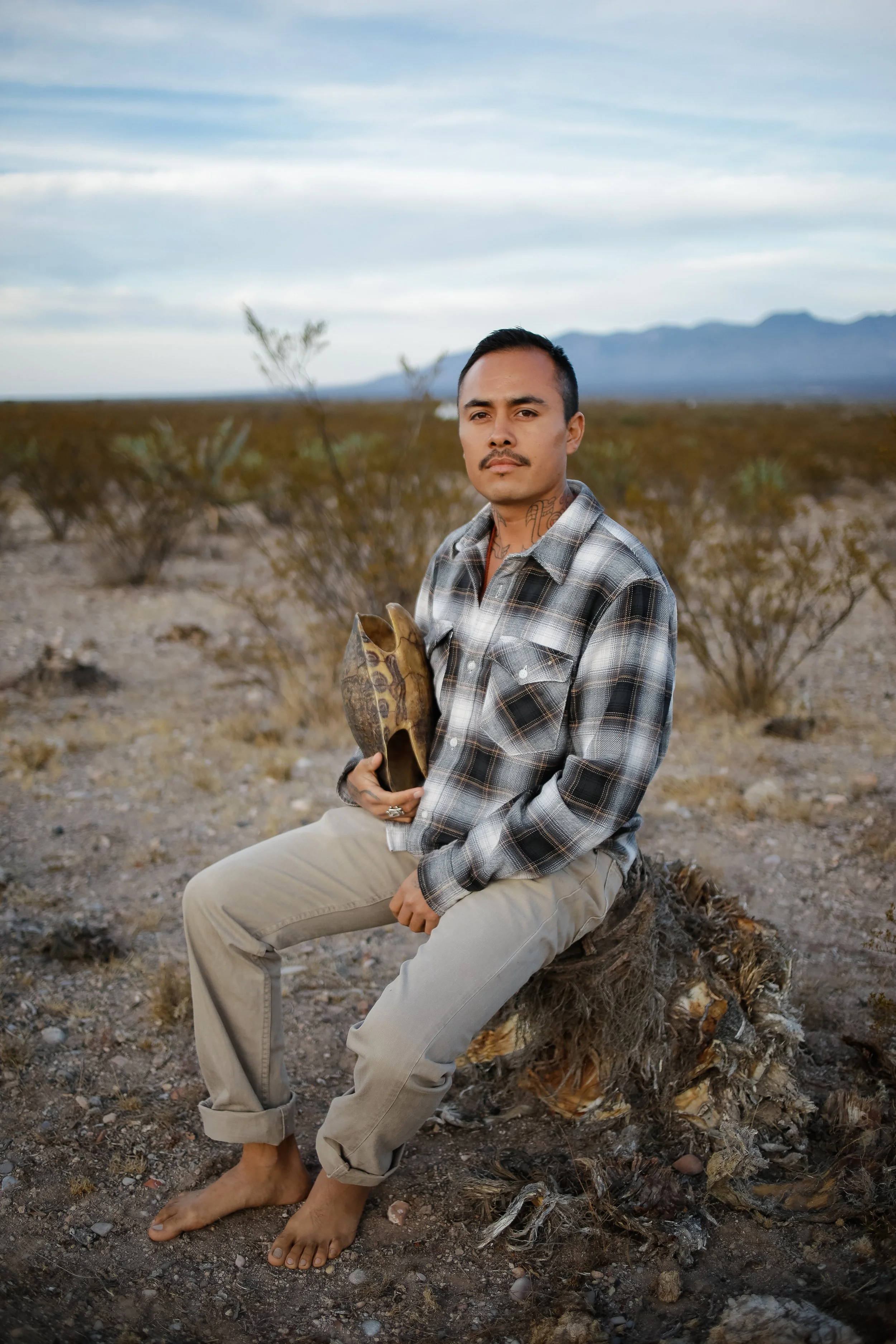
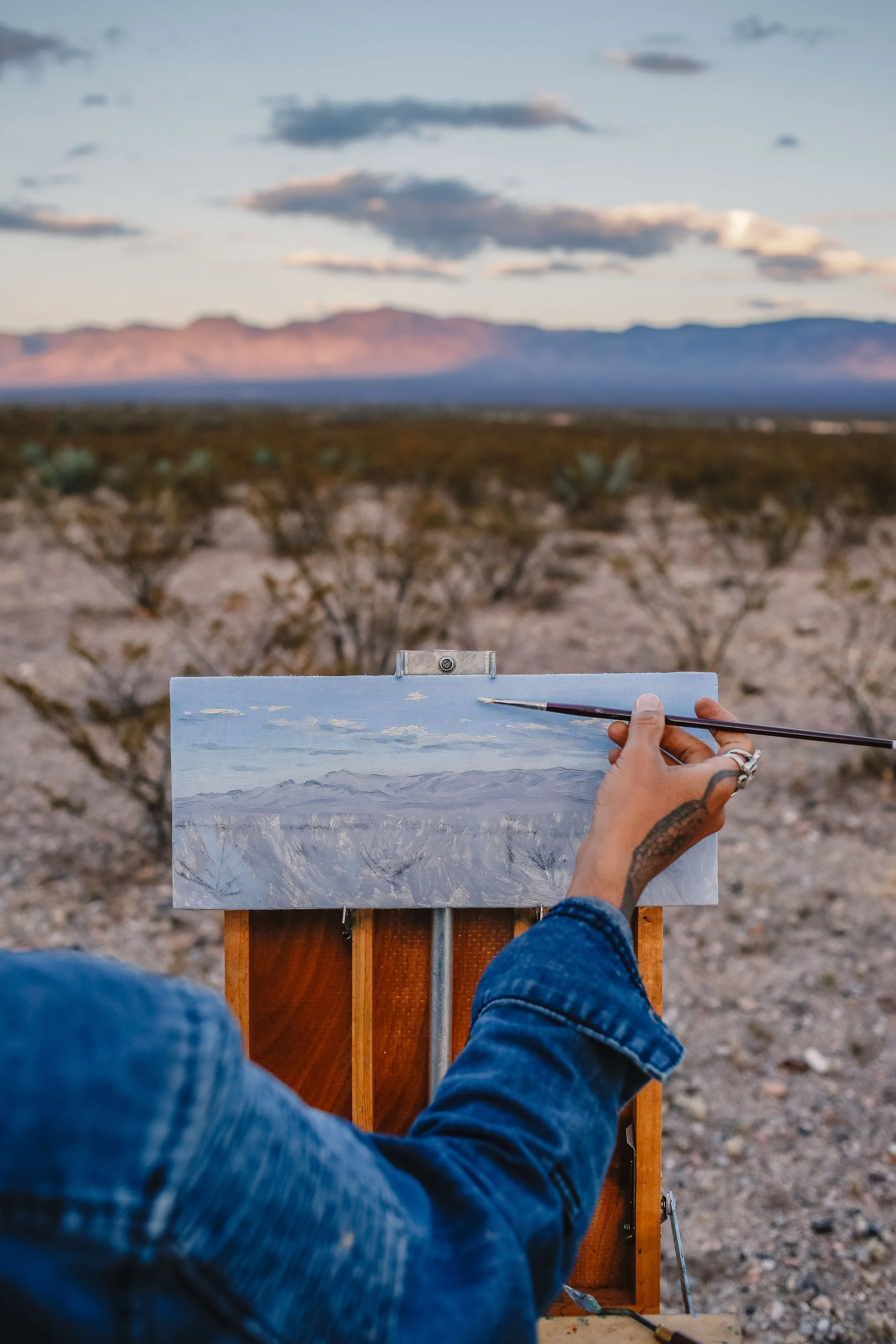
Inefable is the pseudonym of Mexican artist Alejandro García. His most notable work is the series “Cocotitlán: Heart of Maize,” a pictorial archive of agricultural labor related to the cultivation of corn, squash, and beans. The series encompasses both landscape and portrait painting.
During his residency, he painted the Sierra at different times of day using oil on canvas, capturing in his palette the variations in chromatic temperature manifested in the atmosphere. He later began his work “The Forgetting of a Memory,” in which he incorporated the desert landscape into the composition.
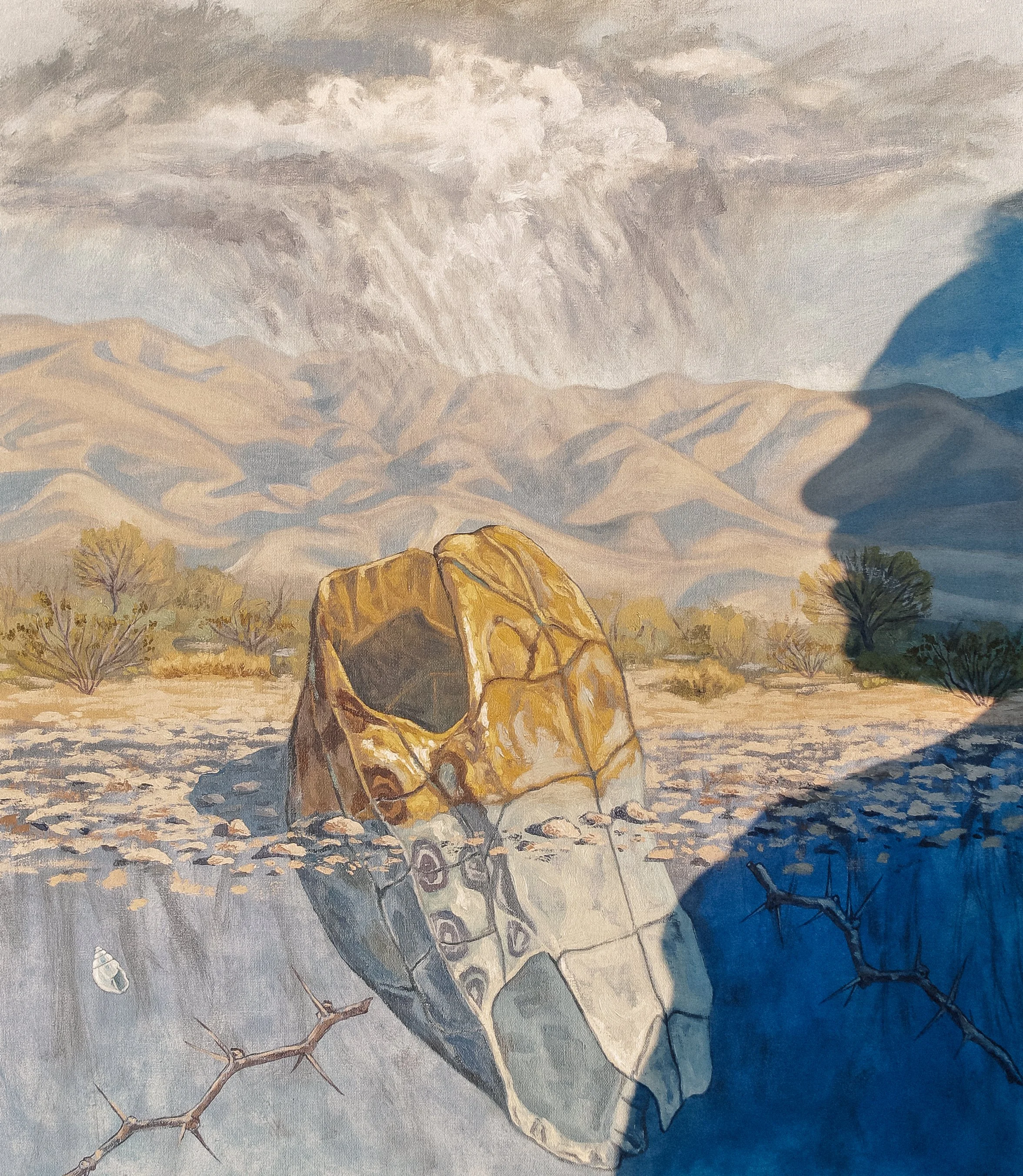
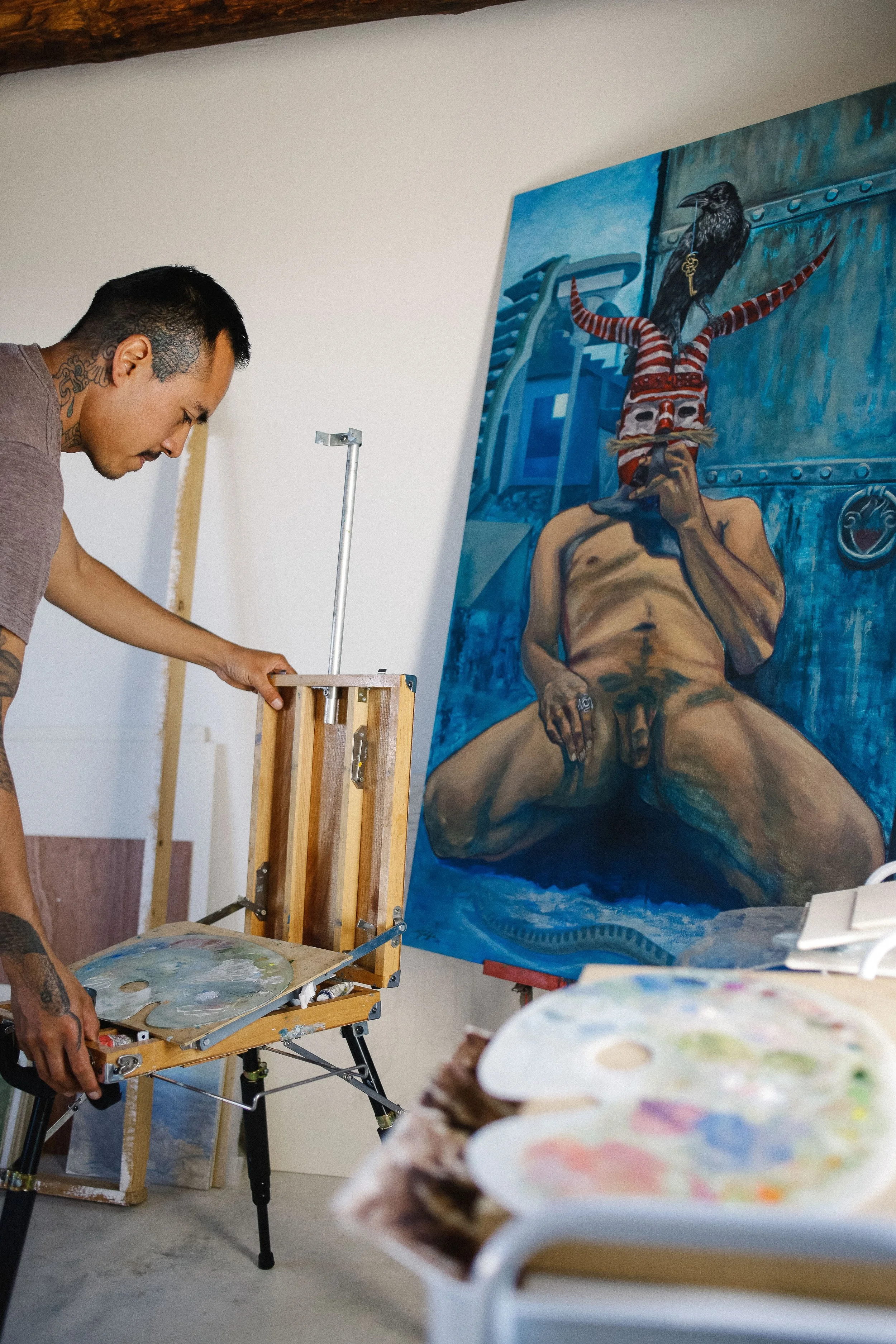
“Direct contact with the desert ecosystem—each morning, afternoon, and night—was distinct and special. By the end of my stay, a part of the desert remained in my heart: its light, its fauna, and its stars. I can summarize my pictorial experience at Casa Tamatsi as having lived the landscape and allowing the desert to speak through my words and my painting.”
Ana Sofia Morales
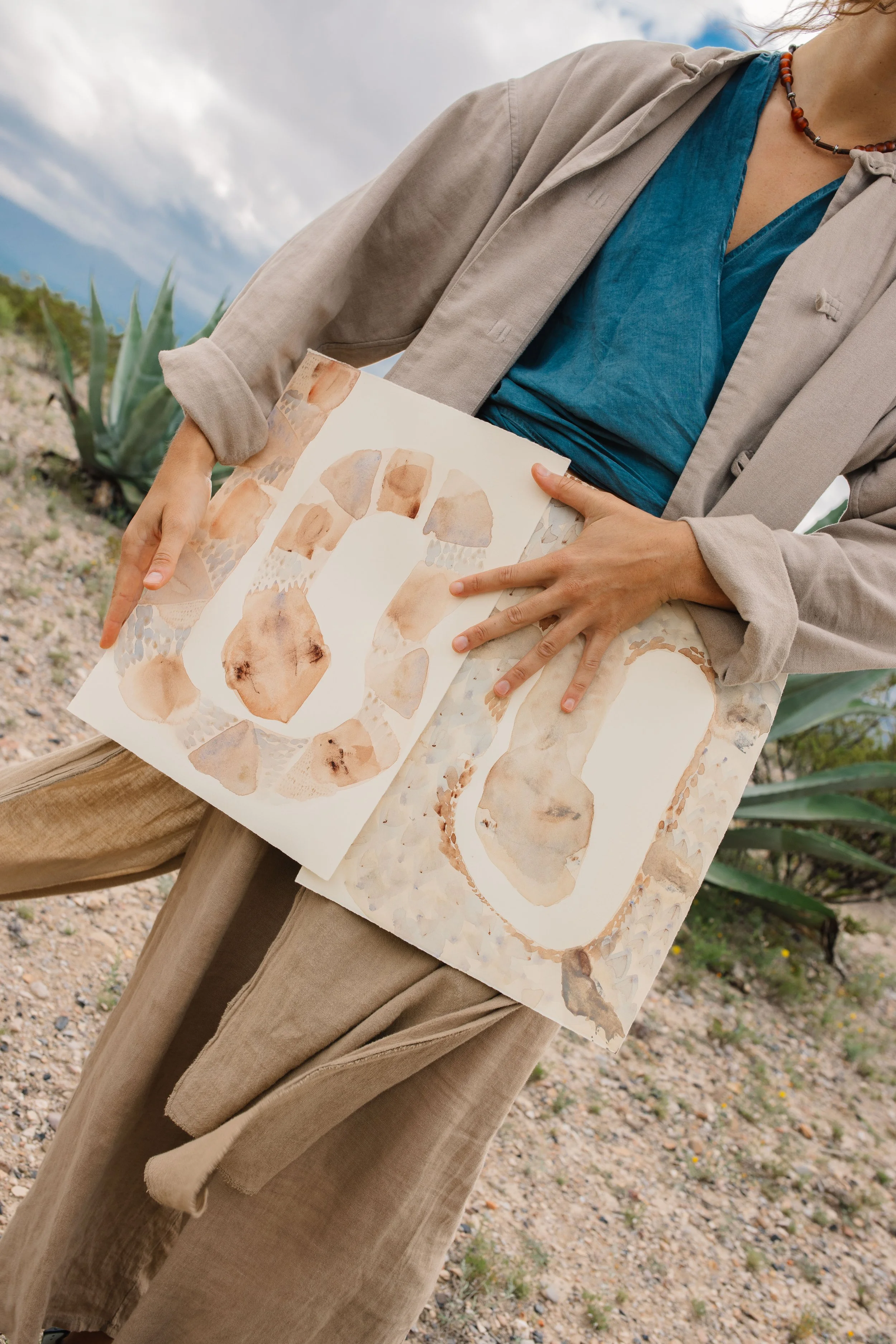
Ana Sofía Morales is a multidisciplinary Mexican artist from Mexico City, working across watercolor, jewelry, and textiles. Her work is inspired by water and its many manifestations. Through fossil-like forms, transparencies, and layers of light, her practice explores the boundaries of the body, emptiness, and the subtle veil between the visible and the invisible.
In addition, she combines her artistic exploration with her textile project Fata Morgana, a research-based practice that transforms movement, perception, and memory into kimonos, turning intuition and sensory experience into a practice that makes the invisible tangible.
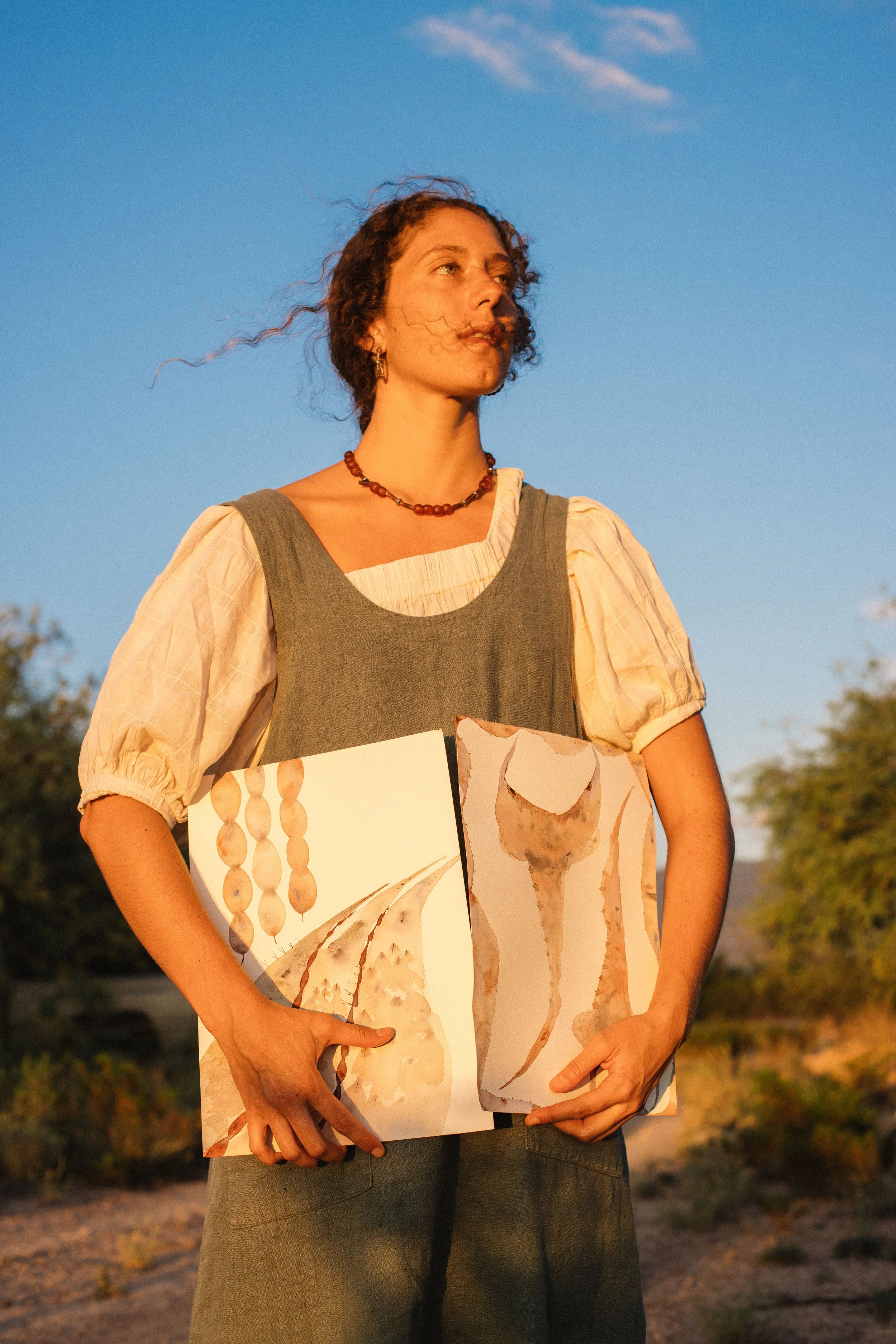

Mares de ciertos
A contemplative study of the land that once was water, of the emptiness that becomes a container by being empty. A container for reflection, for silence, and for the language that speaks of time upon the body. Bringing water to the desert, returning the sea to the desert.

Vera Edwards is a painter born in California and based in Mallorca, whose work explores themes related to emotion, language, and childhood memories. Inspired by her natural surroundings in Felanitx, her oil paintings evoke the earthy, textured landscape of the island, imbuing her work with a sense of tranquility and connection to nature. On her canvases, she creates mystical worlds and celestial landscapes, personal scenes that resonate universally.
“My residency at Casa Ta-Matsi was a very special experience. The energy there is charged with a profound worldview, difficult to put into words. It’s something felt beyond thought.
“The desert dust seeps into you, slowly, until it becomes part of your very being.
Vera Edwards
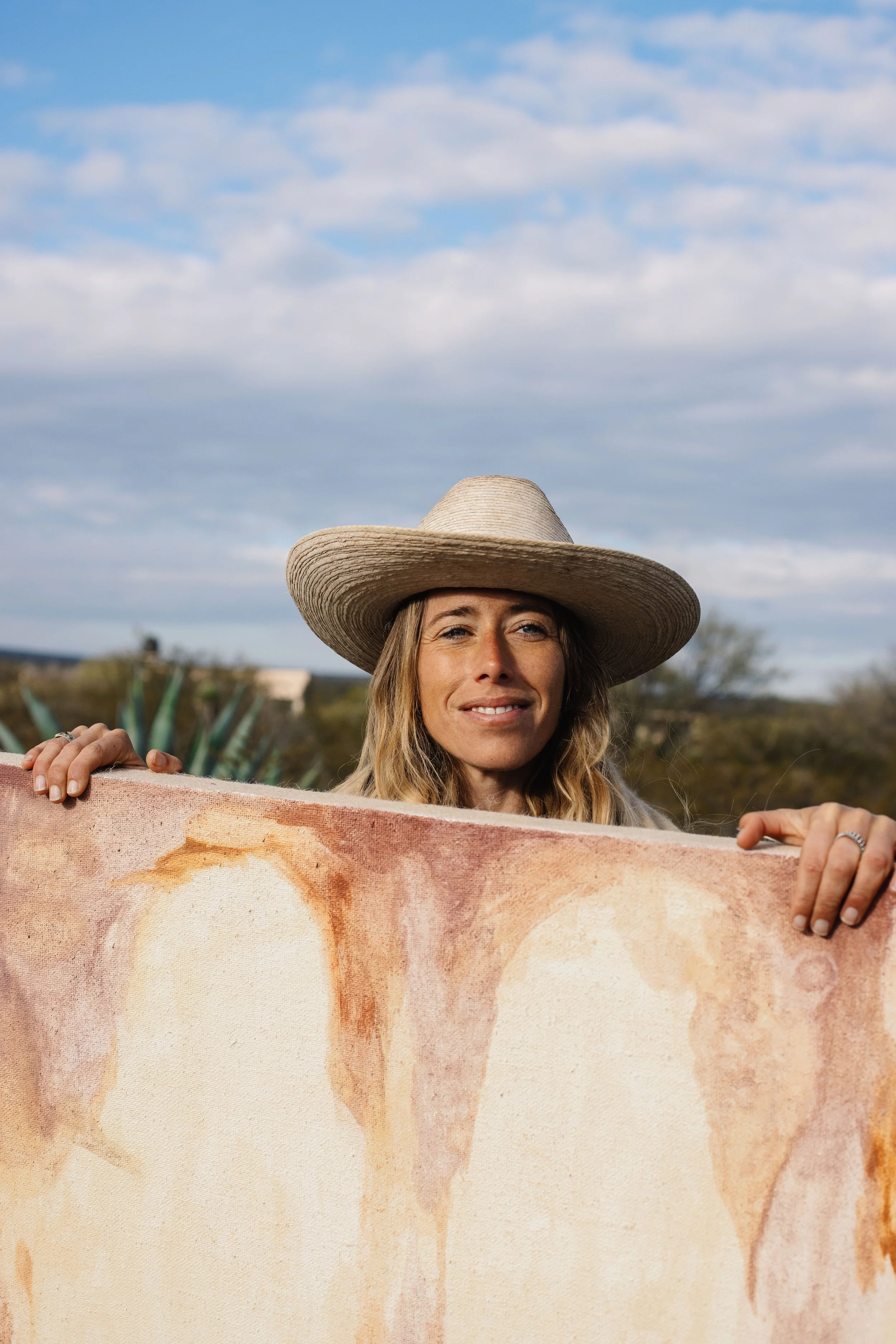

“In the desert, where there are no distractions, one is compelled to turn inward. Nowadays, it is a true luxury to disconnect from the world in this way, to return to the simplicity of the natural rhythm, to feel time stretch and expand. Every time I have created there, something completely new has emerged in my work, as if a different door opens each time.”


Quentin Jorda
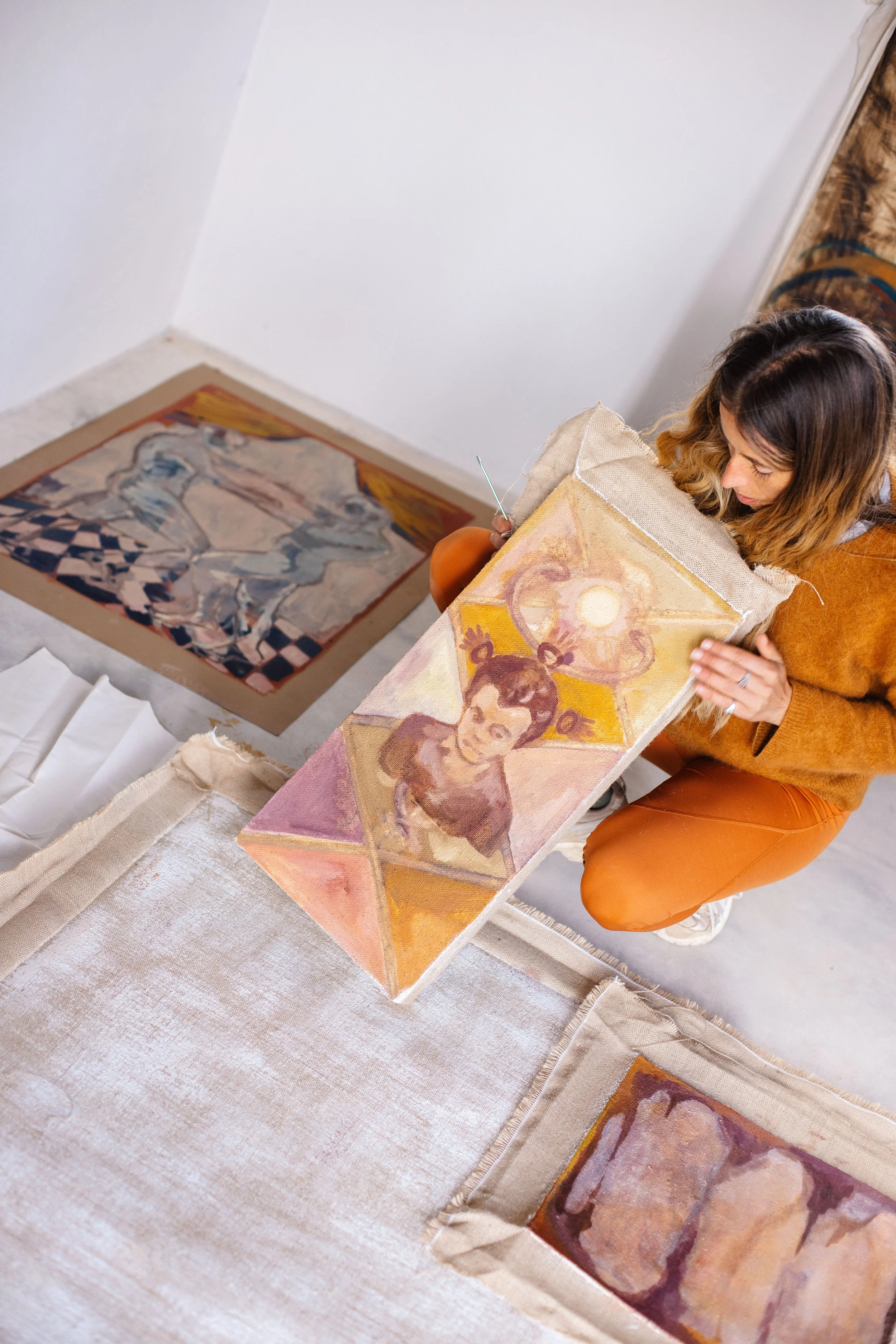
Quentin Jorda is a French artist whose painting is built through successive layering and erasure.
He works in oil, often using a palette knife or cloth, creating a dense material that breathes through removal and reapplication. The composition emerges slowly, from fragile balances between suggested forms and open areas.
Each painting thus becomes a space of exploration—between control and surrender—where the figure can appear, dissolve, and be reborn in a different way.
Cada cuadro se convierte así en un espacio de búsqueda —entre el control y el abandono— donde la figura puede aparecer, disolverse y volver a nacer de otro modo.
“The experience of the Wirikuta desert was a significant moment in my journey, a unique step into the vastness.”


“Reflections and desires naturally come into harmony, and art emerges from there stronger, more essential. In the silence, invisible presences appear… Soon, they surround you and guide you to places you once avoided… At last, I, the ‘white European,’ have reconnected there with the ancestral forces of the Earth, with its form, its essence, and perhaps even with its face. Wirikuta is a sacred place, and being invited to paint there was a true privilege.”

